
🎧 Busy Parent? Listen to the Quick Summary (5 mins)
The transition of a neonate from the sterile, aqueous environment of the uterus to the aerobic, microbe-rich terrestrial world represents one of the most significant physiological challenges in human development. Central to this transition is the rapid maturation of the skin, a complex organ that must immediately assume the roles of thermoregulation, sensory perception, and, most critically, barrier defense.1 The structural and functional differences between infant and adult skin are not merely quantitative but qualitative, necessitating a specialized approach to hygiene and topical care that respects the unique biological state of the newborn.1 Research consistently indicates that the neonatal stratum corneum is approximately 30% thinner than that of an adult, a disparity that significantly increases vulnerability to mechanical injury, chemical absorption, and transepidermal water loss (TEWL).2
Maintaining the integrity of this fragile barrier requires a profound understanding of the "acid mantle"—a thin, slightly acidic film on the skin's surface that regulates microbial colonization and enzymatic activity.6 For over a decade, Australian pediatric care has moved toward formulations that respect this delicate biochemistry, with a particular emphasis on soap-free baby wash Australia and biomimetic moisturizers.4 This report analyzes the dermatological science behind protecting the newborn skin barrier, the clinical significance of pH-balanced interventions, and the role of innovative lipid structures in modern infant skincare, specifically examining the Newborn Purity Kit developed by KidsBliss, which embodies "10 years of caring" for the specific needs of Australian families.9
Anatomical Dissonance: The 30% Thinner Barrier and Evolutionary Vulnerability
The neonatal epidermis is a work in progress, undergoing intense remodeling during the first year of life.2 While the skin barrier is functionally competent at birth in full-term infants, its structural robustness is significantly lower than that of mature skin.2 The primary structural difference lies in the stratum corneum (SC), the outermost layer of the epidermis, which serves as the body’s primary physical shield. In term neonates, the SC consists of 10 to 20 layers of corneocytes, whereas in adults, this layer is substantially more developed.4
Structural Comparison of Neonatal and Adult Skin Architecture
|
Anatomical Feature |
Neonatal Skin (Term) |
Adult Skin |
Pathophysiological Implication |
|
Epidermal Thickness |
20% Thinner than adult |
Baseline (100%) |
Increased fragility and risk of trauma.1 |
|
Stratum Corneum (SC) |
30% Thinner than adult |
Baseline (100%) |
Higher permeability and accelerated TEWL.2 |
|
Corneocyte Size |
Smaller, less compact |
Larger, densely packed |
Reduced structural integrity.1 |
|
NMF Concentration |
Significantly lower |
Higher |
Reduced ability to retain moisture.1 |
|
Lipid Composition |
Lower ceramide/FFA levels |
Balanced lipid profile |
Impaired barrier repair and resilience.1 |
|
Melanin Content |
Lower (reduced protection) |
Higher |
Increased sensitivity to UV radiation.2 |
|
Cell Turnover Rate |
Faster turnover |
Slower turnover |
Rapid shedding may outpace barrier repair.1 |
The 30% reduction in SC thickness observed in newborns is not a uniform thinning but reflects a lack of compaction and smaller corneocyte dimensions.1 This structural immaturity results in a significantly higher surface-area-to-body-weight ratio. When coupled with increased permeability, this ratio elevates the risk of systemic toxicity from topically applied substances.3 Ingredients such as parabens, phthalates, and synthetic fragrances, which might be tolerated by adult skin, can be absorbed at disproportionately higher rates in neonates, potentially interfering with endocrine regulation and metabolic health.13
The high rate of water absorption and desorption in infant skin further complicates the maintenance of homeostasis.2 While newborn skin has a higher water content at birth, it also loses that water more rapidly through the epidermis.2 This cycle of rapid hydration and dehydration can lead to micro-fissures in the skin, providing entry points for pathogens and allergens. Consequently, Australian clinical guidelines emphasize the immediate application of emollients at the first sign of dryness to reinforce this 30% thinner barrier.4
Protecting the Acid Mantle
The critical truth about baby soap and the pH balance of newborn skin.
30% Thinner Skin
Newborn skin is biologically different from yours. It is significantly thinner and much more absorbent.
This means synthetic chemicals in standard soaps penetrate the barrier almost immediately, causing irritation.
The pH Reality
The "Acid Mantle" is your baby's natural defense. To keep it healthy, you must use products with a pH of 5.0.
Standard soaps have a pH of 9.5+, which "burns" off the protective layer and leads to flare-ups.
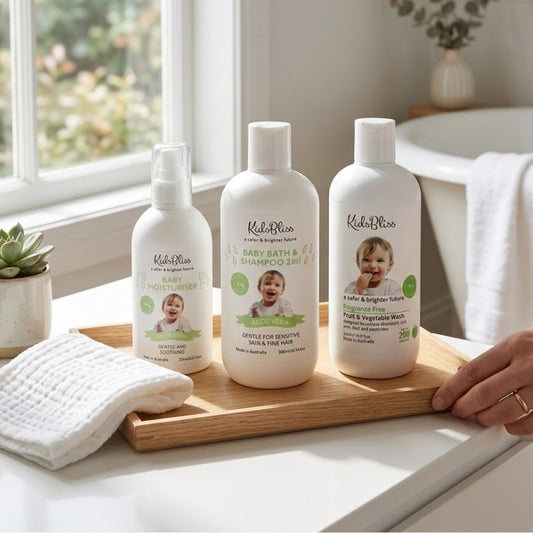
The Newborn Purity Kit
Safe for Feed Bottles
Our Vegetable Wash is fragrance-free and chemical-free. It is the ideal, safe solution for cleaning feed bottles and breast pump parts.
Protect Your BabyThe Biochemistry of the Acid Mantle: Protecting the Newborn Bath pH Balance
The "acid mantle" is a thin, slightly acidic film (typically pH 4.5 to 5.5) that covers healthy human skin.6 At birth, the skin surface of a newborn is near neutral, with a pH ranging from 6.5 to 7.0, influenced by the presence of vernix caseosa and the neutral pH of the amniotic fluid.8 Within the first few weeks post-partum, the skin undergoes a critical acidification process to establish its defensive shield.8
Endogenous Mechanisms of Surface Acidification
The drop in skin pH from neutral to acidic is driven by several complex endogenous and exogenous factors. Endogenous mechanisms include the activity of the Na^+/H^+ antiporter (specifically NHE1), the generation of free fatty acids (FFAs) from phospholipids by secretory phospholipase A2 (sPLA2), and the production of urocanic acid from the degradation of filaggrin.1 Exogenous contributions include the deposition of lactic acid from sweat and the metabolic byproducts of commensal bacteria.1
The mathematical representation of this acidity is expressed through the concentration of hydrogen ions, where the relationship is defined as:
Maintaining this balance is essential because even minor deviations in pH can disrupt the activity of enzymes responsible for barrier repair.7 Enzymes such as β-glucocerebrosidase and acidic sphingomyelinase, which are required for the synthesis of ceramides and the formation of the lipid bilayer, have an optimal activity level at an acidic pH.7 When the skin becomes alkaline—often due to the use of traditional soaps—these enzymes are inhibited, leading to a compromised barrier and increased susceptibility to atopic dermatitis.6
Biological Roles and the Microbiome Influence
The acid mantle performs three primary roles: maintaining barrier function, defending against pathogens, and regulating enzyme activity.8 A slightly acidic environment (pH 5.0 to 5.5) is hostile to pathogenic organisms such as Staphylococcus aureus and Candida albicans, while favoring the growth of beneficial commensal flora like Staphylococcus epidermidis.6 Research indicates that S. epidermidis growth is actually enhanced at pH 4.7 compared to neutral pH, whereas the growth of S. aureus is strongly suppressed in acidic conditions.16
|
pH Level |
Effect on Microbial Flora |
Effect on Skin Barrier and Enzymes |
|
pH 4.0 - 4.5 |
Strong adherence of resident flora; potent inhibition of pathogens.16 |
Optimal structural integrity and minimal TEWL.16 |
|
pH 5.0 - 5.5 |
Balanced growth of commensals; generally safe for newborns.6 |
Clinical standard for pediatric formulations; supports lipid synthesis.8 |
|
pH 6.0 - 7.0 |
Increased risk of pathogen colonization (e.g., S. aureus).7 |
Delayed barrier maturation; increased sensitivity to irritants.1 |
|
pH 8.0 - 10.0 |
Dispersal of resident flora; promotes infection.16 |
Severe disruption of lipid bilayers; inhibits repair enzymes.8 |
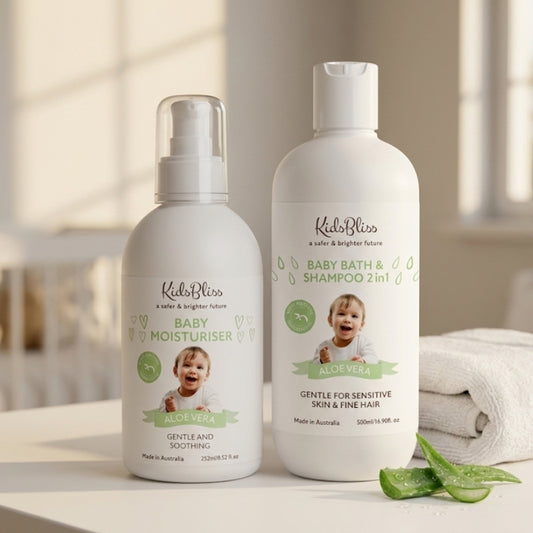
The use of plain tap water, which often has a pH around 8.0 in various regions, can raise skin pH for up to six hours before the body can restore its natural acidity.16 This highlights the necessity of using pH-balanced cleansers and moisturizers that provide buffering capacity to stabilize the acid mantle, particularly in the context of newborn bath pH balance.4 Formulations like the KidsBliss Newborn Purity Kit, which provides a Baby Moisturiser and 2-in-1 Wash at pH 5, align with this lower-acidic research, offering a more robust defense than standard neutral products.11
Selecting the Best Baby Wash for Sensitive Skin: The Soap-Free Imperative
For parents in Australia seeking the "best baby wash for sensitive skin," the primary recommendation from dermatologists and pediatric clinical guidelines is the absolute avoidance of traditional "soap".4 True soaps are produced through the saponification of fats with a strong alkali (like sodium hydroxide), resulting in a product with a pH typically between 9 and 10.8 This alkalinity is catastrophic for the 30% thinner newborn skin, as it strips away natural oils, swells the stratum corneum, and dissolves the acid mantle.8
The Science of Syndet and Soap-Free Cleansing
Modern pediatric hygiene relies on "syndets" (synthetic detergents) or soap-free baby wash Australia. These are formulated with surfactants that have a pH closer to that of the skin (5.5) and are designed to clean without stripping the lipid barrier.10 Syndet bars are considered safer because they reduce post-bath dryness and the incidence of rashes around the cheeks and nose.10
Key attributes of an ideal "best baby wash for sensitive skin" include:
-
Soap-Free and Syndet-Based: Prevents the alkalization of the epidermis.10
-
pH-Balanced (5.0 to 5.5): Supports the natural maturation of the acid mantle.8
-
Low Lathering: Heavy foam often signifies harsh surfactants like SLS/SLES, which can irritate the eyes and dry the skin.10
-
Fragrance-Free and Hypoallergenic: Synthetic fragrances and essential oils are leading causes of contact dermatitis and respiratory distress in infants.4
-
Enriched with Emollients: Ingredients like Aloe Vera, Avocado Oil, and Calendula help replenish the barrier during the cleansing process.19
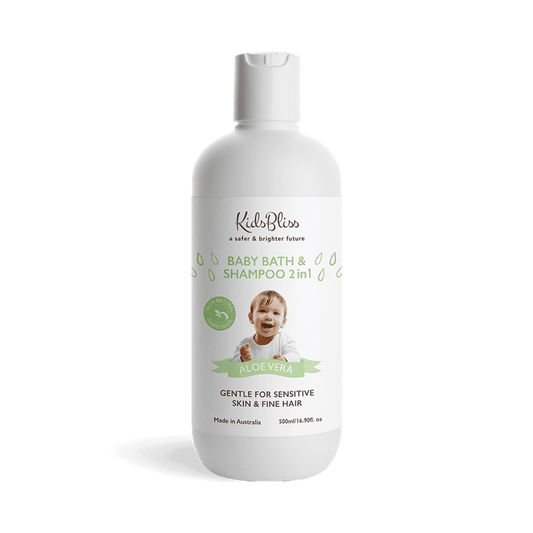
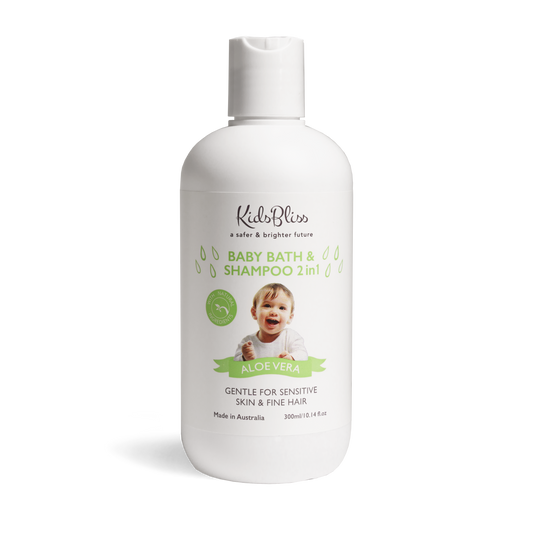
Clinical guidelines from the Royal Children’s Hospital Melbourne advocate for the use of "pH neutral" or "mildly acidic" cleansers (pH 5.5 to 7.0), particularly for infants over 32 weeks of gestation.4 The KidsBliss Baby Bath & Shampoo 2 in 1 (pH 5) addresses these requirements by utilizing a plant-powered, soap-free formula enriched with Organic Aloe Vera juice, Avocado Oil, and Evening Primrose Oil to hydrate and support a healthy skin barrier and scalp naturally.19
Biomimetic Barrier Repair: The Role of Liquid Crystal Emulsions in Neonatal Care
One of the most significant advancements in infant moisturization is the transition from simple occlusive ointments to biomimetic systems that replicate the physical structure of human skin. The KidsBliss Baby Moisturiser utilizes a primary focus on Cetearyl Olivate and Sorbitan Olivate (known as Olivem 1000) to achieve this structural replication.18
The Lamellar Liquid Crystal Mechanism
Traditional moisturizers often sit on top of the skin, providing a temporary physical barrier. In contrast, Cetearyl and Sorbitan Olivate form "lamellar liquid crystal" structures.26 These structures are chemically and physically similar to the lipid bilayers of the human stratum corneum.27
-
Mimicry of the Stratum Corneum: The liquid crystals arrange themselves in alternating layers of lipids and water, mimicking the matrix structure of intercellular lipids.26
-
Sustained Hydration: Because these structures integrate into the skin's own lipid matrix, they release moisture in a sustained manner, providing longer-lasting hydration than standard emulsions.26
-
Repair and Resilience: These liquid crystals act as a "second skin" that can reduce TEWL and increase skin hydration for at least 10 hours after application.31
-
Microbiome Safety: Clinical studies have shown that Olivem 1000 is microbiome-friendly, preserving the composition and biodiversity of the skin's natural cutaneous microbiota.28
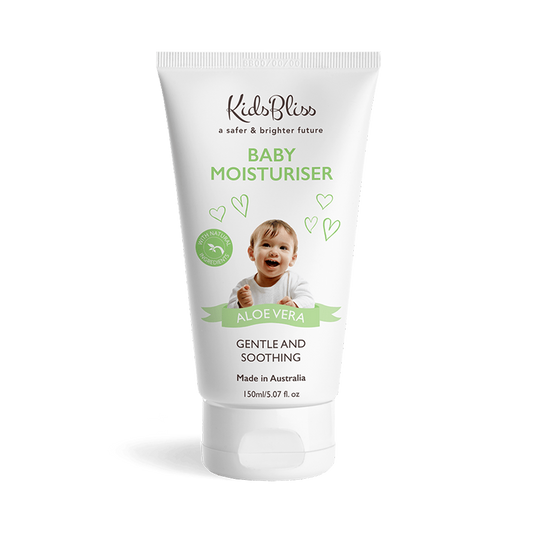
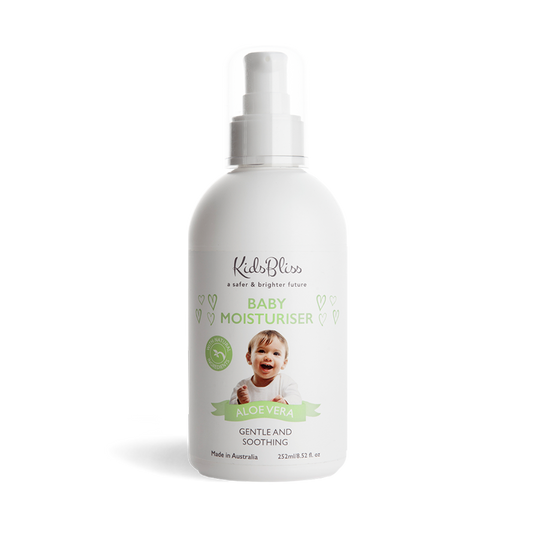
This "silk-smooth protection" is essential for newborns whose skin is 30% thinner and more absorbent than that of an adult.11 The non-greasy, fast-absorbing nature of the KidsBliss Baby Moisturiser ensures that the barrier is fortified without stickiness, making it suitable for daily hydration and the prevention of common skin flare-ups.11
Ingredient Synergy in the KidsBliss Baby Moisturiser
|
Key Ingredient |
Biological Source |
Primary Function |
|
Cetearyl / Sorbitan Olivate |
Olive Oil |
Biomimetic emulsifiers; create liquid crystal barrier repair.18 |
|
Organic Aloe Vera |
Aloe Barbadensis |
Deeply soothing; provides instant relief to calm red, irritated skin.11 |
|
Shea Butter |
Shea Tree Kernel |
Moisture lock; rich in fatty acids for deep, long-lasting velvety softness.11 |
|
Calendula Extract |
Calendula Flower |
Anti-inflammatory repair; gently heals minor redness and irritation.11 |
|
Cocoa Butter |
Theobroma Cacao |
Restores softness and provides deep hydration to dry or chafed skin.18 |
|
Avocado Oil |
Persea Gratissima |
Delivers nourishing properties ideal for sensitive, newborn skin.18 |
|
Jojoba Seed Oil |
Simmondsia Chinensis |
Mimics natural sebum to support the skin's protective barrier.18 |
Nutritional Hygiene and the Logic of Acidic Cleansing for Feeding Bottles
A nuanced and often overlooked aspect of infant health is the hygiene of feeding equipment and the removal of environmental residues from produce. Standard dishwashing liquids are often highly alkaline and can leave chemical residues that may be unsafe if ingested by infants with developing immune systems.33 The KidsBliss Fruit & Vegetable Wash (pH 4.8) represents a strategic shift in domestic safety, as it is also recommended for washing feeding bottles and dining ware.34
Why pH 4.8 is Effective for Feeding Accessories
The residues left in dirty bottles provide bacteria with nutrients for rapid reproduction.35 Milk proteins and fats can form a stubborn film (biofilm) on plastic and glass surfaces that regular soaps may not dismantle thoroughly.36
-
Biofilm Disruption: While alkaline cleaners are effective at cutting grease, a slightly acidic cleaner (pH 4.8) is highly efficient at breaking down mineral deposits and milk-protein accumulation.38
-
Pathogen Inhibition: Low pH is a key parameter for managing microbial contamination. Pathogens such as Cronobacter and Rotavirus are inhibited by acidic environments, and acidic cleaners help remove bacteria that can lead to gastrointestinal illness.36
-
Tasteless Purity: The KidsBliss wash is 100% plant-based, natural, and organic, ensuring it is tasteless and odorless after washing. This is crucial for baby bottles as it ensures no lingering scents or flavors interfere with the baby's feeding.34
-
Pesticide Removal from Produce: For older infants beginning solids, the wash effectively removes wax, herbicides, and pesticides. Research indicates that adjusting the pH of wash water can neutralize pesticide acidity through alkaline hydrolysis or enhance removal through acidic stabilization.43
By using the Fruit & Vegetable Wash for both produce and feeding bottles, parents can minimize their baby's exposure to the harsh chemicals (chlorine, SLS/SLES, phosphates, and parabens) found in typical detergents.33
The Australian Context: 10 Years of Caring and Quality Standards
KidsBliss has established a significant presence in the Australian market, defined by "10 years of caring for Aussie mums and bubs".11 As an "Australian made and owned" brand, it prioritizes local manufacturing and clean, baby-safe ingredients that reflect the "natural bounty of Australia".9 This market positioning is particularly relevant in the Australian climate, where high UV indices and environmental stressors necessitate robust barrier protection.14
Brand Ethos and Safety Pillars
-
Qualitative Integrity: All ingredients are selected with the assistance of qualified chemists to ensure they are 100% safe and effective.9
-
No Nasties Commitment: The brand is strictly chemical-free, additive-free, and eco-friendly, appealing to health-conscious parents who want the "best world" for their children.9
-
Ethical Manufacturing: Products are cruelty-free, natural, and organic, maintaining a 99% five-star rating among Australian consumers.9
The brand’s focus on maintaining the "Acid Mantle" to prevent common skin flare-ups is not merely a marketing claim but a clinical strategy supported by over a decade of consumer trust.9
Clinical Recommendations for Neonatal Hygiene and Barrier Maintenance
The preservation of the acid mantle and the protection of the 30% thinner newborn skin barrier are the cornerstones of modern pediatric dermatology. To achieve optimal outcomes, clinical practice must move away from the "myths" of heavy lather and daily alkaline bathing toward biomimetic, pH-balanced systems.21
Best Practices for Newborn Bathing
-
Frequency and Duration: Bathing should be limited to 2–3 times per week, with sessions lasting 5–10 minutes in warm water (37°C–38°C).5
-
Product Selection: Use soap-free baby wash Australia with a pH of 5.0 to 5.5. Avoid bubble baths, which can remove natural oils from the skin.14
-
Moisturization Protocol: Apply a thick, fragrance-free moisturizer all over the body within 3 minutes after bathing ("the soak and smear" method) to lock in hydration while the skin is still damp.5
-
Avoidance of Irritants: Eliminate products containing parabens, sulfates, synthetic dyes, and formaldehyde-releasing preservatives, which can cause allergic reactions and interfere with the developing barrier.13
The KidsBliss Newborn Purity Kit provides a comprehensive system for these recommendations, offering a 2-in-1 Wash (pH 5) for gentle cleansing and a Moisturiser (pH 5) for liquid crystal barrier reinforcement.11
Conclusion: The Holistic Approach to Newborn Purity
Effective neonatal care requires a synthesis of anatomical understanding and biochemical precision. By recognizing that newborn skin is 30% thinner and lacks an established acid mantle at birth, caregivers can prioritize interventions that support the skin's natural maturation process. The integration of pH-balanced, soap-free cleansers and biomimetic moisturizers—such as those found in the KidsBliss Newborn Purity Kit—offers a science-backed methodology for maintaining the integumentary shield. Furthermore, extending this philosophy of "purity" to nutritional hygiene through acidic cleaning for bottles and produce (pH 4.8) ensures a holistic reduction in chemical exposure. As Australian parents continue to seek the "best baby wash for sensitive skin," the focus must remain on formulations that respect the delicate acidity and structural nuances of the developing infant, a mission KidsBliss has championed for 10 years.9
This guide is part of our comprehensive series on infant wellness. For a deeper look at holistic chemical-free living, visit The Ultimate Guide to Newborn Purity and Chemical-Free Care.
✓ pH 5.0 Balanced ✓ 100% Chemical Free ✓ Aussie Made