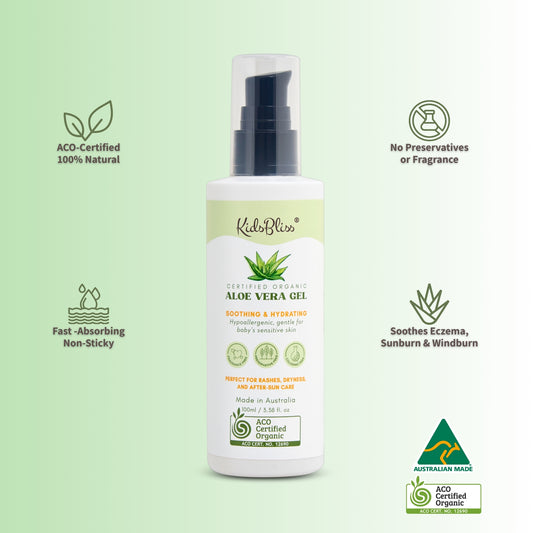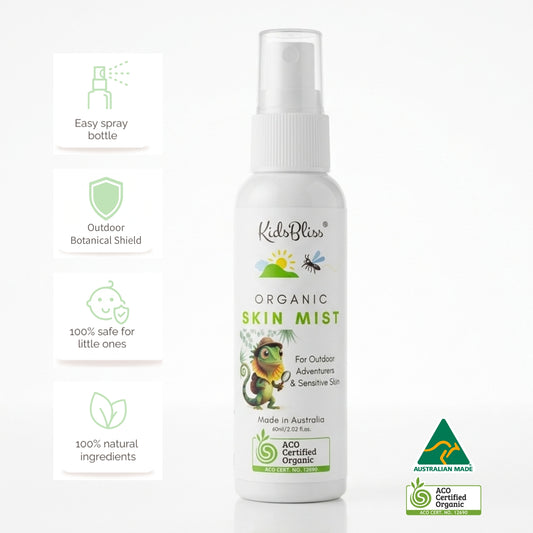

🎧 Busy Parent? Listen to the Quick Summary (5 mins)
For many new parents, the "nesting" phase brings a profound shift in perspective. What begins as nursery decoration often evolves into a rigorous toxicological screening process. Today’s parents are seeking "purity"—a scientific promise that the environment they are building is free from the synthetic burdens that could impact their child's developing systems. 1
This guide provides an evidence-based framework to help you navigate neonatal care across four vital layers: your baby's body, the fabrics they touch, their surroundings, and their nutrition.
Phase 1: Protecting the Body (The First Barrier)
A newborn’s skin is a developing organ with unique physiological needs. Protecting its integrity is the first step in long-term wellness.
1. The Permeability Factor
Newborn skin is approximately 30% thinner than adult skin. 4 Because the outer layer (the stratum corneum) is less compact, it is significantly more permeable to environmental toxins. Combined with a high surface-area-to-body-weight ratio, infants absorb chemicals applied to their skin at a much higher systemic rate than adults do. 7
2. The pH 4.8 Scientific Standard
At birth, a baby’s skin pH is near-neutral (pH ~6 to 7.5). Within days, it transitions to a slightly acidic state (pH ~4.8 to 5.5), known as the "acid mantle." This shield is essential for:
-
Inhibiting Pathogens: It prevents the growth of harmful bacteria like Staphylococcus aureus.
-
Microbiome Support: It fosters the growth of beneficial bacteria that protect the skin.
-
Barrier Building: Acidic conditions activate enzymes that build the skin's moisture-retaining lipid barrier.
Parent Tip: Avoid traditional high-pH soaps, which can cause "microscopic attacks" on skin proteins, a primary trigger for neonatal eczema. 5
Protect the Acid Mantle Today
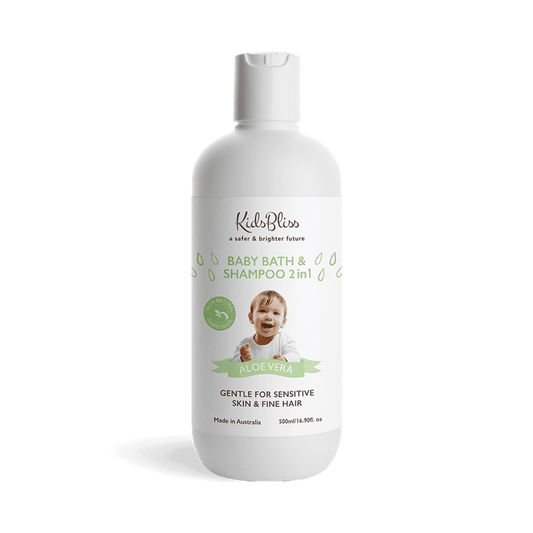
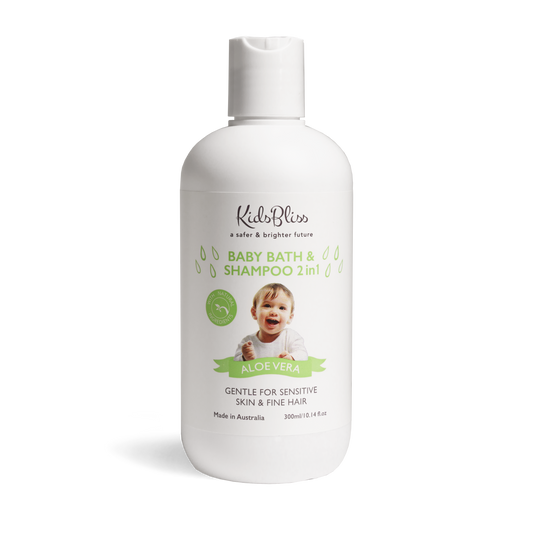
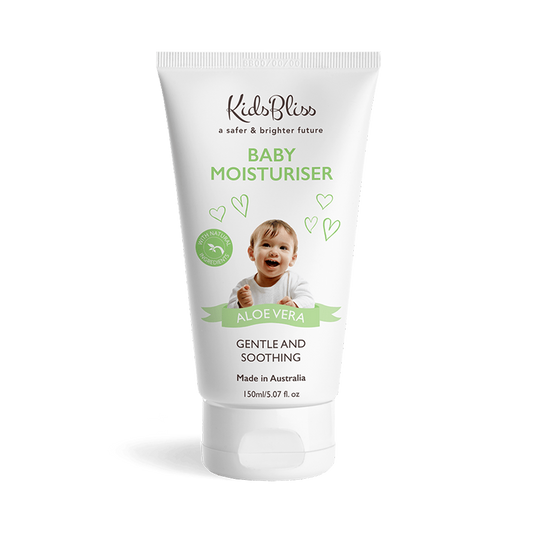
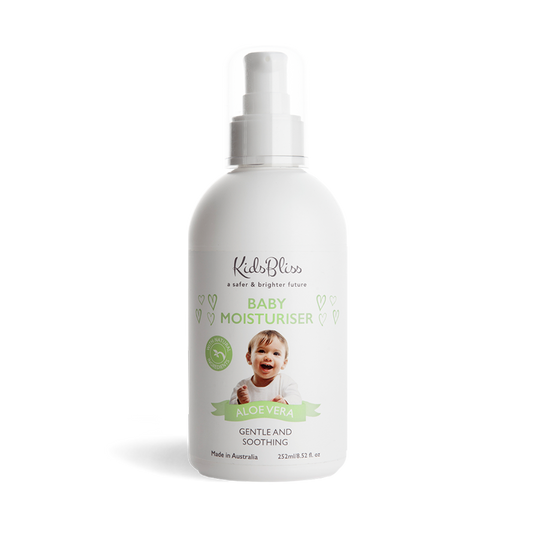
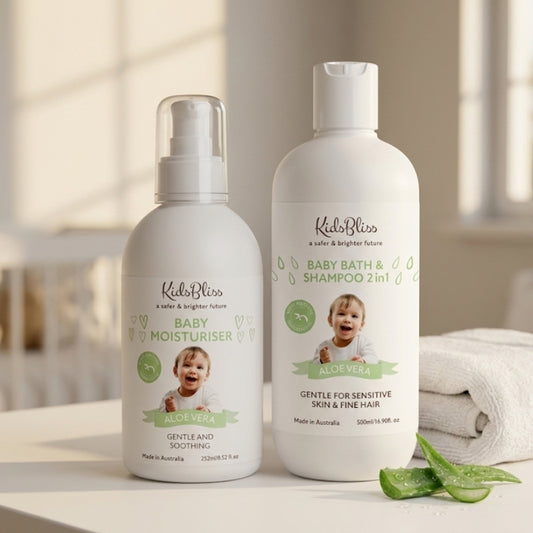
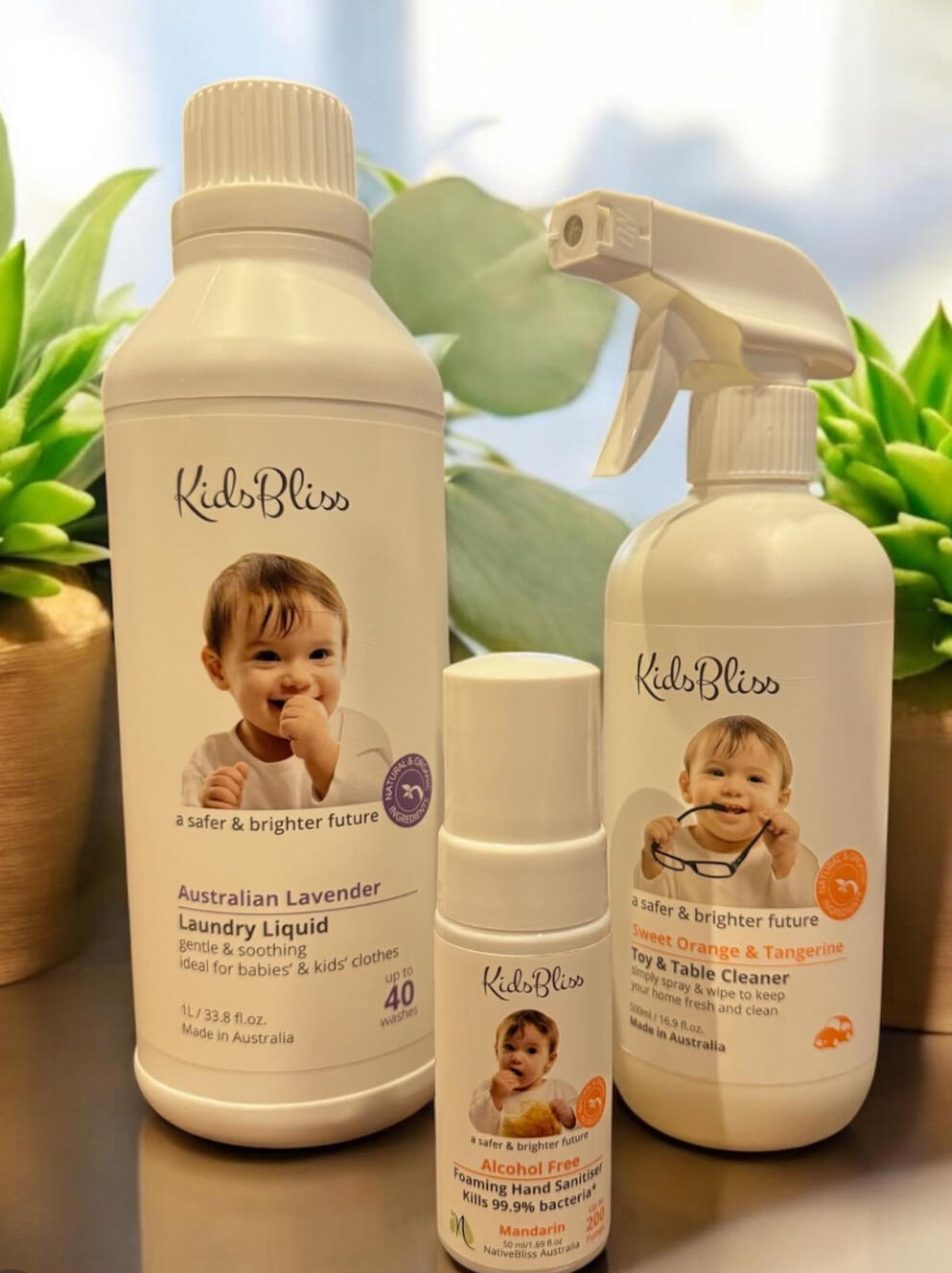
Don't leave your baby's 30% thinner skin barrier to chance. Our Newborn Purity Bundles are the only Aussie-made kits strictly calibrated to pH 5.0.
Phase 2: Protecting the Fabric (The 24/7 Contact)
Skincare is also about what the skin touches 24 hours a day. Residues on swaddles, bedding, and clothing are functionally equivalent to "leave-on" skincare. 11
1. The "Non-Bio" Imperative
Traditional "bio" laundry detergents contain enzymes (proteases) designed to break down protein stains like food or blood. However, because skin is also made of protein (keratin), residual enzymes trapped in fabric fibers can microscopically "attack" a baby’s thin skin, leading to "enzyme burn" or persistent redness.
2. Safe Residue Limits
Standard detergents can leave up to 1,800 ppm (parts per million) of chemical residue on fabrics. Switching to a zero-enzyme (Non-Bio) routine that limits residues to =<50 ppm can reduce instances of rashes and irritation by up to 44% within one month. 13
Dive deeper into our "Step One of Skincare: Why the Laundry Room is the Real Cause of Infant Eczema".
The Gold Standard: Certifications for Textile and Air Safety
When shopping for your registry, ignore marketing terms like "natural" or "eco-friendly," which are largely unregulated. Instead, look for these third-party verified standards.
For Fabrics (Textiles)
-
GOTS (Global Organic Textile Standard): This is the world-leading standard for organic fibers. It ensures that the entire supply chain—from the farm to the factory—is free from toxic bleaches, dyes, and heavy metals.
-
OEKO-TEX Standard 100 (Class I): This certification focuses on the chemical safety of the finished product. To achieve "Class I," every thread, button, and zipper must be tested and proven free from over 350 harmful substances specifically for items that touch a baby's skin.
For Air Quality and Furniture
-
GREENGUARD Gold: Found on cribs, mattresses, and rocking chairs, this standard confirms the product has been tested for over 10,000 chemicals and Volatile Organic Compounds (VOCs). It is specifically designed to ensure healthy indoor air quality in environments where babies spend the majority of their time.
The Science of Newborn Purity
A parent's guide to biological safety layers.
1. Skin Physiology
Newborn skin is 30% thinner than an adult's, creating a "Sponge Effect." Chemical residues are absorbed into their system significantly faster, requiring a pure, irritant-free environment for healthy development.
2. Decoding the Labels
Synthetic "Parfums" and Sulphates (SLS) are the leading causes of skin barrier disruption. Our data highlights the critical risk levels of common mass-market additives compared to natural alternatives.
The Gold Standards of Safety
Third-party certifications are your best defense, providing scientific verification for textiles, air quality, and ingredients.
GOTS OrganicThe global standard for organic fibers. Ensures no toxic dyes, bleaches, or heavy metals are used from farm to finished garment.
OEKO-TEX 100Focuses on chemical safety. Every thread and button is tested for 1,000+ harmful substances to ensure it's safe for a baby's skin.
GREENGUARD GoldEnsures products have extremely low chemical emissions (VOCs), protecting the indoor air quality of your newborn's nursery.
Phase 3: Protecting the Surroundings (Air and Habit)
A baby spends up to 18 hours a day in their nursery. Air quality and the surfaces they touch are as vital as the lotions you choose. 14
1. Creating a Zero-VOC Nursery
Many furniture items "off-gas" VOCs for years. 17
-
Solid Wood vs. MDF: Avoid Medium-Density Fiberboard (MDF) or particleboard, which are often bonded with urea-formaldehyde resins. Formaldehyde is a known carcinogen that can irritate a baby's respiratory tract. 19
-
Water-Based Finishes: Prioritize solid wood furniture finished with natural oils, beeswax, or zero-VOC water-based paints.
2. The "Shoes-Off" Policy
Shoes carry a "chemical soup" of lead, pesticides, and garden toxins into the home. Combining a doormat with a strict "shoes-off" policy can reduce toxic indoor dust by up to 98.5%.
Learn more about nursery setup in our guide: The Ultimate 3rd Trimester Nesting Checklist: A Guide to Non-Toxic Nursery Prep
Phase 4: Feeding and Nutritional Purity
As the focus shifts to oral intake, the tools they use and the food they consume must meet food-grade safety standards.
1. The Science of Safe Feeding Gear
Regular dish soaps are formulated for heavy grease on adult plates, not for items that enter a sensitive mouth.
-
Milk Biofilm: Milk proteins and fats leave a stubborn film on silicone and plastic. If not properly removed, this residue can harbor bacteria within 2–4 hours.
-
Scent Rejection: Silicone nipples are highly porous and absorb synthetic fragrances. Many babies will reject a bottle simply because it tastes like "perfumed" detergent.
-
Safe Surfactants: Choose food-grade cleansers that use plant-derived surfactants (like Coco-Glucoside). These rinse away 100% clean without leaving residues like phosphates or triclosan.
2. Pesticide Removal and Weaning
Infants have immature livers and kidneys and cannot detoxify residues as effectively as adults.
-
Beyond Water: Scientific studies suggest that a solution of Celtic Sea Salt and plant-derived surfactants is significantly more effective at removing oil-based (lipophilic) pesticides and waxes than rinsing with water alone.
💡 Scientific Intervention
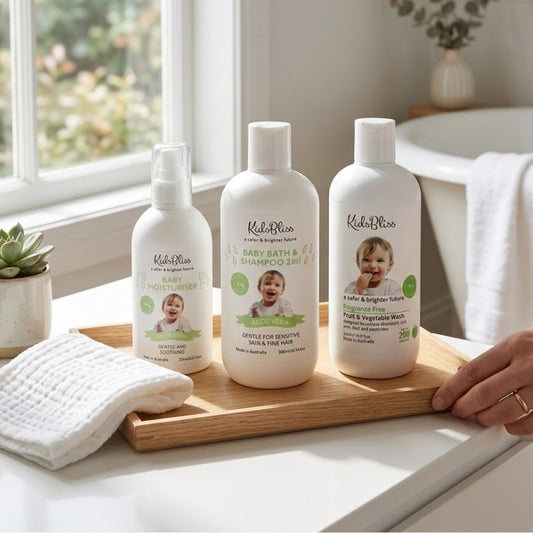
Standard dish soaps often leave synthetic residues on bottle teats. Our Fruit & Vegetable Wash (included in the Purity Bundle) is residue-free and pH-calibrated for ultimate safety. Learn more here →
Prepare for your weaning journey with our guide: ****
Summary: Decoding the Labels
To truly protect your baby, you must learn to read the INCI (ingredient list) for specific red flags:
|
Red Flag |
The Concern |
The "Purity" Standard |
|
Fragrance |
Often a "catch-all" for 200+ undisclosed synthetic chemicals and phthalates. |
Look for Fragrance-Free or Certified Organic products with third-party verification. |
|
Sulfates (SLS/SLES) |
Harsh foaming agents that strip the skin's lipid barrier and cause dryness. |
Look for Saponified Coconut Oil or Coco-Glucoside for a gentle clean. |
|
PEGs (-eth) |
Ingredients ending in "-eth" can be contaminated with 1,4-dioxane (a carcinogen). |
Prioritize PEG-free formulations to avoid hidden manufacturing byproducts. |
|
Formaldehyde Releasers |
Preservatives like DMDM Hydantoin linked to severe allergies. |
Use natural preservative systems or plant-based extracts. |
Conclusion: Building a Foundation for Health
The transition to chemical-free parenting is a journey of "progress over perfection." By understanding the science of the skin barrier, maintaining a solid-wood nursery, and choosing food-grade tools for feeding, you are providing your child with the best start, naturally. 21
For parents currently in the "nesting" phase, our [Nesting Hub] provides a curated Home Detox Guide and a Non-Toxic Registry Checklist to help you prepare your home with confidence.