
🎧 Busy Parent? Listen to the Quick Summary (5 mins)
1. Introduction: The Invisible Environmental Interface
The modern approach to pediatric dermatology has historically been dominated by a "treatment-first" methodology. When an infant presents with xerosis (dry skin), erythema (redness), or atopic dermatitis (eczema), the clinical reflex is often to prescribe a topical therapeutic—an emollient to repair the barrier, a corticosteroid to quell inflammation, or an occlusive balm to protect the skin surface. This paradigm, while effective for symptom management, often neglects the most pervasive environmental exposure in an infant's life: the textile interface.
From the moment of birth, a neonate is enveloped in fabrics. They are swaddled in blankets, dressed in onesies, laid on crib sheets, and held against the clothing of caregivers. This contact is continuous, often exceeding 23 hours a day. Unlike a lotion applied once or twice daily, the chemical residues embedded within these textiles are in constant, static contact with the skin. This persistent exposure creates a unique toxicological scenario where the laundry room—often viewed merely as a domestic utility space—becomes a critical determinant of dermatological health.
Recent data has begun to illuminate the scale of this overlooked variable. Reports indicate that approximately 28% of infants experience contact dermatitis specifically triggered by residual surfactants and optical brighteners found in mass-market laundry detergents.1 This statistic represents a significant portion of the pediatric population suffering from preventable skin pathology. Furthermore, consumer data reveals a compelling correlation between laundry habits and skin health: 44% of parents who switch to specialized, residue-free baby detergents observe fewer instances of rashes or redness within one month.1
This report, titled "Step One of Skincare," posits that the management of the textile interface is not merely a hygiene practice but a fundamental extension of the skincare regimen. It introduces the concept of "Fabric Skincare" 2, a burgeoning field that merges textile chemistry with dermatology. By analyzing the physiological vulnerabilities of the infant skin barrier—specifically its status as being one-third the thickness of adult skin 3—and contrasting this with the aggressive chemistry of modern detergents, we establish a scientific basis for why the laundry room is the real cause of, and potential solution for, a significant subset of infant eczema cases.
2. The Physiology of Vulnerability: The "One-Third" Reality
To understand why standard laundry detergents pose such a formidable threat to infant health, one must first deconstruct the biological differences between the neonatal integument and that of a mature adult. While infant skin is often romanticized for its softness and perfection, biologically, it is defined by functional immaturity and structural fragility. The central insight driving this vulnerability is the significantly reduced thickness of the epidermal barrier.
2.1. Structural Deficits: Architecture of the Infant Epidermis
The skin is a multilayered organ, with the epidermis serving as the primary interface with the external world. Research utilizing in vivo confocal laser scanning microscopy has quantified the structural disparities between infant and adult skin with high precision.
2.1.1. Stratum Corneum and Suprapapillary Epidermis Thickness
The stratum corneum (SC) is the outermost layer of the epidermis, consisting of cornified keratinocytes (corneocytes) embedded in a lipid matrix. It is often described as the "brick and mortar" wall that keeps moisture in and pathogens out.
-
Quantitative Findings: Studies have shown that the infant SC and suprapapillary epidermis are significantly thinner than those of adults.3 Specifically, on the upper inner arm, the infant SC is approximately 18% thinner, and the suprapapillary epidermis is 22% thinner than in adults. In other anatomical regions, such as the thigh, the SC difference can be as high as 34%.3
-
The "One-Third" Insight: When aggregated across various body sites and considering the total viable epidermis, the infant skin barrier is functionally recognized as being approximately one-third the thickness of an adult’s.3 This reduction in vertical dimension means there is physically less material preventing the ingress of environmental toxins.
-
Diffusion Pathway: The efficacy of a barrier is partly determined by the path length a molecule must travel to penetrate it. A thinner SC significantly shortens this diffusion pathway, allowing chemical residues from clothing—such as surfactants and fragrances—to reach the viable epidermis and the cutaneous immune system much more rapidly than they would in an adult.5
2.1.2. Microrelief and Dermal Papillae Structure
Beyond thickness, the surface topography of infant skin differs.
-
Microrelief Density: Infant skin possesses denser microrelief lines close to the surface and more uniform dermal papillae.3 While this contributes to the tactile smoothness of baby skin, it also increases the surface area-to-volume ratio.
-
Absorption Implications: The combination of a thinner barrier and a relatively larger surface area means that infants absorb a proportionally higher dose of topical chemicals relative to their body weight.6 A residue load that might be negligible for an adult can reach toxicological significance for an infant, leading to systemic or localized reactions.
2.2. Functional Immaturity: The Barrier in Flux
The "brick and mortar" structure of the infant skin is not only thinner but also functionally distinct. The maturation of the skin barrier is a dynamic process that continues throughout the first year of life.7
2.2.1. Corneocyte Desquamation and Turnover
The process of desquamation (shedding of skin cells) is regulated by specific enzymes.
-
Caseinolytic Activity: Research indicates that while chymotrypsin-like activity is comparable to adults, the caseinolytic specific activity is significantly higher in the infant cohort.3
-
Turnover Rate: This elevated enzymatic activity suggests a differently controlled pattern of desquamation, leading to a faster turnover rate.9 Consequently, the infant SC does not have time to accumulate the dense, compacted layers of keratin that characterize the resilient adult "callus" or barrier. This accelerated shedding can be exacerbated by friction from clothing, leading to increased permeability.
2.2.2. Water Handling and NMF
The hydration status of infant skin is paradoxical.
-
High Water, Low Hold: While infant skin often has a higher total water content, it has a reduced capacity to retain that water due to lower levels of Natural Moisturizing Factor (NMF).9 NMF components, derived from the breakdown of the protein filaggrin, are essential for maintaining the plasticity of the SC.
-
Transepidermal Water Loss (TEWL): Although full-term infants are born with a competent barrier, their TEWL rates can be variable and are highly susceptible to disruption. The lower NMF concentration means that the barrier is less able to buffer against the drying effects of surfactants. When exposed to harsh detergents, the limited NMF is easily "washed out," leading to rapid desiccation and the characteristic "scaling" seen in 28% of dermatitis cases.1
2.3. The Lipid Matrix and Acid Mantle
The "mortar" of the skin barrier consists of an equimolar ratio of ceramides, cholesterol, and free fatty acids. This lipid matrix provides the waterproofing essential for barrier function.
2.3.1. Lipid Composition Deficits
-
Ceramides and Fatty Acids: Infants exhibit lower levels of total skin surface lipids, particularly ceramides and free fatty acids, compared to adults.9 This lipid deficiency renders the "mortar" more permeable to water-soluble irritants.
-
Sebum Production: Sebum (skin oil) plays a crucial role in forming the surface lipid film. While neonates may experience a transient spike in sebum production due to maternal androgens, this drops significantly shortly after birth. For most of infancy and childhood (the "pre-pubertal hiatus"), sebum production is negligible.9
-
Vulnerability to Delipidation: Surfactants in laundry detergents are chemically designed to solubilize fats (remove grease stains). Because infant skin lacks a robust sebum layer and has lower intercellular lipids, it is uniquely vulnerable to delipidation (stripping of oils) by residual surfactants.10 This stripping action creates microscopic holes in the barrier, further increasing permeability.
2.3.2. The Acid Mantle Development
The skin's surface pH, or "acid mantle," is a critical antimicrobial and regulatory system.
-
Alkaline Birth State: At birth, the skin surface is near neutral or slightly alkaline (pH 6.7–7.4), partly due to the vernix caseosa.9
-
Acidification: A vital physiological process in the neonatal period is the gradual acidification of the skin to a pH of 4.5–5.5. This acidic environment is required to activate lipid-processing enzymes (beta-glucocerebrosidase) and deactivate serine proteases that degrade the barrier.4
-
Detergent Interference: Most standard laundry detergents are highly alkaline (pH 9–11) to optimize cleaning. Residual alkalinity in clothing can neutralize the developing acid mantle.4 By elevating the skin pH, detergent residues inhibit barrier repair and activate protease enzymes, leading to spontaneous skin peeling and inflammation.
2.4. Summary of Physiological Differences
The following table summarizes the key physiological differences that underscore the "Science of Sensitive Skin" in infants:
|
Feature |
Infant Skin Characteristics |
Adult Skin Characteristics |
Implication for Laundry Exposure |
|
Epidermal Thickness |
~30% Thinner 3 |
Fully Developed |
Rapid absorption of chemical residues; lower threshold for physical irritation. |
|
Stratum Corneum |
Thinner, faster turnover, higher enzymatic activity |
Thicker, more compact |
Reduced physical buffer against abrasive fabrics and particulates. |
|
Surface Area/Weight |
High |
Low |
Higher systemic bio-accumulation of toxins absorbed transdermally. |
|
Lipid Content |
Lower ceramides & free fatty acids 9 |
Stable lipid matrix |
High susceptibility to surfactant-induced lipid stripping (delipidation). |
|
Sebum Production |
Very low (post-neonatal) 9 |
High (seborrheic areas) |
Reduced hydrophobic protection against water-soluble irritants. |
|
NMF Concentration |
Lower 9 |
Higher |
Prone to desiccation; NMF easily leached by detergents. |
|
pH (Acid Mantle) |
Developing (alkaline to acidic) |
Stable Acidic (pH 4.5-5.5) |
Vulnerable to pH disruption by alkaline detergent residues. |

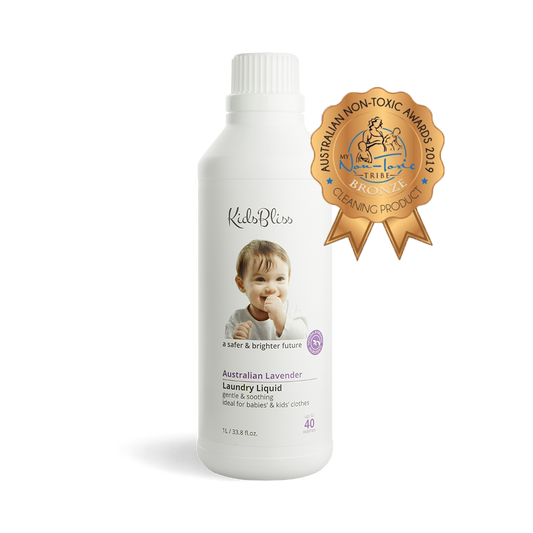
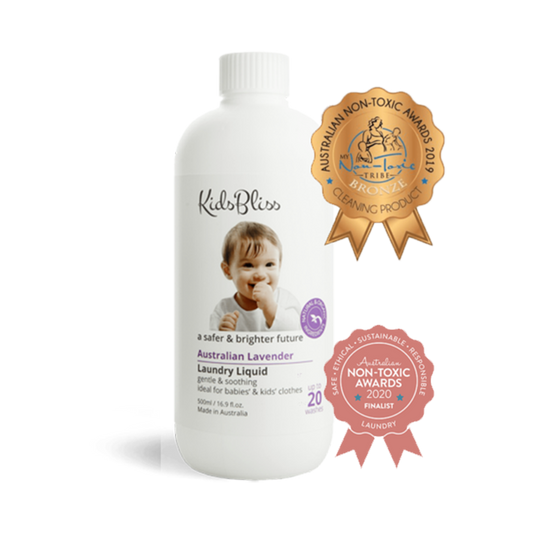
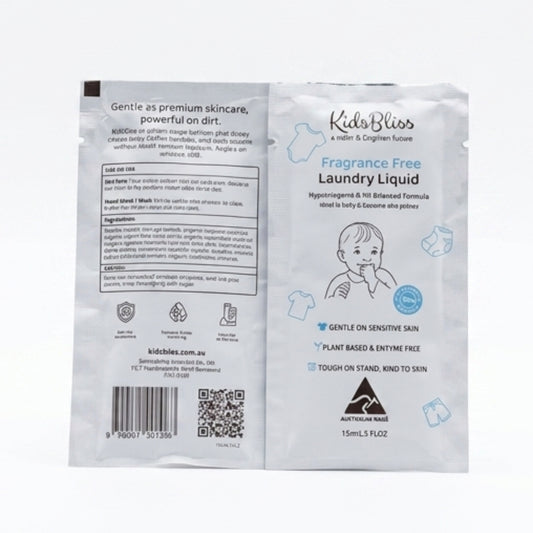
Try the Fabric Skincare Trial (500ml)
Nervous about switching? Grab our 500ml fragrance free trial size. It's the perfect way to test our skin-safe formula on your baby's toughest laundry.
- Strictly pH 4.8 to protect the acid mantle
- Plant-based surfactants that rinse 100% clean
- Gentle, baby-safe fragrance
3. The Chemistry of Cleaning: A Toxicological Analysis
Having established the fragility of the infant skin barrier, we must now examine the chemical agents that assault it daily. The modern laundry detergent is a marvel of industrial chemistry, designed to remove complex soils, whiten graying fabrics, and impart lasting fragrance. However, the very mechanisms that achieve these aesthetic goals are often diametrically opposed to dermatological safety. The primary culprits in the "laundry room epidemic" are surfactants, optical brighteners, and enzymes.
3.1. Surfactants: The Double-Edged Sword
Surfactants (Surface Active Agents) are the primary cleaning ingredients in detergents. They are amphiphilic molecules, possessing a hydrophilic (water-loving) head and a hydrophobic (oil-loving) tail.
3.1.1. Mechanism of Action and Residue
In the wash cycle, the hydrophobic tails attach to oily soils (sebum, milk fat, food grease) on the fabric. As mechanical agitation occurs, the surfactant molecules surround the soil, forming a sphere called a micelle, which lifts the soil off the fabric and suspends it in the water to be rinsed away.10
-
The Residue Problem: The efficacy of a surfactant is often linked to its affinity for surfaces. While they are meant to rinse away, significant quantities often remain trapped in the fiber matrix of the textile. This is known as surfactant residue.
-
Re-activation: When a baby sweats or wets a diaper, the moisture re-activates these residual surfactant molecules. The hydrophobic tails, seeking lipids, then attach to the lipids of the infant's skin barrier—effectively trying to "clean" the skin of its essential fats.11
3.1.2. Anionic Surfactants (LAS and SLS)
The most common surfactants in mass-market detergents are anionic (negatively charged), such as Linear Alkylbenzene Sulfonates (LAS) and Sodium Lauryl Sulfate (SLS).
-
Protein Denaturation: Anionic surfactants are potent protein denaturants. They have a high affinity for keratin, the protein that makes up the corneocytes. Binding to keratin causes the proteins to swell and unfold, disrupting the structural integrity of the stratum corneum.10
-
Barrier Penetration: Due to the 1/3 thickness of infant skin, these surfactants can penetrate deeper into the viable epidermis. Studies show that SLS can cause significant cytotoxicity to keratinocytes and trigger the release of pro-inflammatory cytokines like Interleukin-1α (IL-1α).4
-
Concentration: Standard detergents may leave LAS residues in the range of 1,200–1,800 ppm on fabric. In contrast, specialized baby detergents are formulated to limit this to ≤50 ppm.1
3.1.3. Cationic Surfactants (Fabric Softeners)
Cationic (positively charged) surfactants are typically found in fabric softeners and some "2-in-1" detergents.
-
Substantivity: Because wet fabric is negatively charged, cationic surfactants bind strongly to the fibers. This property, known as substantivity, ensures that they remain on the clothes to provide softness and static control. However, this also means they are essentially designed not to rinse out.
-
Toxicity Profile: Quaternary ammonium compounds (quats), a class of cationic surfactants, are known to be more irritating to the skin than anionic surfactants. Their persistence on fabric guarantees prolonged skin exposure, making them a significant trigger for contact dermatitis in infants.4
3.2. Optical Brighteners: The Illusion of Clean
Perhaps the most insidious component of modern laundry care, and a primary focus of this report, is the Optical Brightening Agent (OBA), also known as Fluorescent Whitening Agent (FWA).
3.2.1. The Physics of Fluorescence
Optical brighteners are synthetic dyes that function on the principle of fluorescence.
-
Mechanism: They absorb invisible ultraviolet (UV) light from the sun or indoor lighting (wavelengths of 300–400 nm) and re-emit energy in the visible blue spectrum (wavelengths of 400–500 nm).12
-
Visual Trickery: This emission of blue light compensates for the natural yellowing of cotton and synthetic fibers over time. It tricks the human eye into perceiving the fabric as "whiter" and "brighter" than it actually is. It is a cosmetic effect, not a cleaning one.12
3.2.2. Intentional Residue
Crucially, for OBAs to function, they must remain on the fabric. They are chemically engineered to have high affinity for cellulose (cotton) and nylon fibers. A detergent containing OBAs is designed to coat the clothing in a chemical film. If the OBA washed out, the brightening effect would vanish.
-
Skin Transfer (Crocking): This chemical film is not static. Research indicates that OBAs can migrate from clothing to skin, a process facilitated by friction and moisture (sweat/urine).14 This is particularly relevant for infants who are constantly rubbing against bedding and clothing.
-
Dermatological Impact: Once on the skin, OBAs can cause irritation. While they are generally considered safe for adults with intact barriers, their effect on the compromised, thin barrier of an infant is different. The 28% statistic regarding dermatitis is explicitly linked to these agents.1
-
Phototoxicity Risks: Because OBAs absorb UV energy, there is a theoretical and observed risk of phototoxicity—where the chemical becomes an irritant only when exposed to light. This reaction can manifest as a rash on sun-exposed areas (face, arms).13
3.3. Enzymes: Proteases and Lipases
Biological detergents use enzymes to digest specific stain components.
-
Proteases: These break down protein stains (grass, blood, egg). However, the skin is largely made of protein (keratin). Residual proteases on clothing can theoretically attack the skin's own proteins, leading to a condition resembling a chemical burn, often called "enzyme burn" or irritation.16
-
Activity Levels: Regular detergents often have high enzyme activity (25–40 U/g) to tackle tough adult stains. Specialized baby detergents utilize much lower activity (5–8 U/g) or select enzymes with lower potential for skin irritation.1
3.4. Fragrance and Preservatives: The Hapten Effect
-
Fragrance: Fragrance mixes are the leading cause of Allergic Contact Dermatitis (ACD). These small, volatile molecules (haptens) can penetrate the thin infant SC. Once inside, they bind to skin proteins and become immunogenic. Standard detergents contain 2-3% fragrance loads; baby detergents typically contain ≤0.5% or are fragrance-free.1
-
Preservatives (Methylisothiazolinone): Liquid detergents require preservatives to prevent bacterial growth. Methylisothiazolinone (MI) is a common preservative and a potent sensitizer. The epidemic of MI allergy has been linked to its presence in rinse-off and leave-on products, including laundry residues.17
4. Pathophysiology of Textile Dermatitis: The Clinical Picture
The collision of the vulnerable infant skin barrier with the chemical cocktail of mass-market detergents results in a specific range of pathologies, collectively termed Textile Contact Dermatitis. The statistics surrounding this condition are alarming and highlight the urgency of addressing laundry habits.
4.1. The 28% Statistic: A Crisis of Contact
According to data from the American College of Allergy, Asthma & Immunology (ACAAI) and industry studies, approximately 28% of infants experience contact dermatitis triggered by residual surfactants and optical brighteners in laundry products.1
-
Implication: This means that nearly one in three infants suffers from skin inflammation that is directly preventable by modifying the laundry routine. This is not a rare anomaly; it is a prevalent public health issue.
4.1.1. Symptom Profile and Distribution
The clinical presentation of detergent-induced dermatitis is distinct from other forms of eczema.
-
Erythema (42%): The most common sign is redness, indicating vascular dilation and inflammation.1
-
Scaling/Oozing (28%): This represents severe barrier disruption. Scaling indicates accelerated keratinocyte turnover and desiccation, while oozing (spongiosis) indicates acute epidermal edema.1
-
Secondary Infections (16%): The compromised barrier becomes a portal of entry for pathogens, leading to secondary bacterial infections (e.g., impetigo).1
-
Distribution Pattern: Textile dermatitis often follows the "textile pattern," affecting areas of maximal clothing contact and friction: the trunk, the extensor surfaces of the arms and legs, and the diaper area. Unlike atopic dermatitis, which often affects the flexural creases (elbows, knees), textile dermatitis may spare these protected areas.18
4.2. Irritant vs. Allergic Contact Dermatitis
It is crucial to distinguish between the two primary mechanisms of textile dermatitis, although they often coexist.
4.2.1. Irritant Contact Dermatitis (ICD)
ICD accounts for the majority (approx. 80%) of textile dermatitis cases.
-
Mechanism: This is a non-immunological reaction caused by direct cytotoxic damage to skin cells. Surfactants dissolve the lipid bilayer and denature keratin proteins.
-
Dose-Dependence: ICD is dose-dependent. The higher the residue load (ppm of surfactants), the more severe the reaction.
-
Infant Threshold: Because of the 1/3 thickness of the barrier, the threshold for irritation in infants is much lower than in adults. A detergent that is "mild" or "safe" for adult skin can be a potent irritant for an infant.10
4.2.2. Allergic Contact Dermatitis (ACD)
ACD is a delayed-type (Type IV) hypersensitivity reaction mediated by T-cells.
-
Mechanism: Small molecules (haptens) like fragrances, preservatives, or optical brighteners penetrate the skin. They bind to carrier proteins and are presented by Langerhans cells to T-cells in the lymph nodes. This process creates "immune memory".20
-
Sensitization: Once an infant is sensitized, even minute exposures to the allergen can trigger a full-blown inflammatory response.
-
Transcutaneous Sensitization: Emerging research suggests that the skin is a major route for allergic sensitization. Exposure to allergens through a compromised skin barrier (e.g., eczema or surfactant-damaged skin) can prime the immune system not just for skin allergies, but potentially for systemic allergies (the "Atopic March").16
4.3. The Textile Microbiome
Recent advances in metagenomics have revealed the importance of the Textile Microbiome—the community of microorganisms living on clothing.
-
Interaction with Detergents: Laundry habits influence the textile microbiome. Low-temperature washing (to save energy) often fails to kill pathogenic bacteria like Staphylococcus aureus or dust mites.22
-
Dysbiosis: Harsh surfactants can disrupt the skin's commensal microbiome (beneficial bacteria) while failing to eradicate pathogens on the fabric. This dysbiosis (imbalance) is a hallmark of atopic dermatitis. S. aureus colonization, in particular, drives inflammation and barrier breakdown.24
-
Dust Mites: Bedding and clothing are reservoirs for dust mites, a major trigger for atopic dermatitis. Specialized laundry routines (e.g., hot wash or specific additives) are required to manage this biological load, which interacts synergistically with chemical residues to worsen eczema.21
Is Your Laundry Room the Cause of Infant Eczema?
We often look to diet or lotions when treating baby eczema, but the real culprit might be in your washing machine. Step One of Skincare starts with what touches the skin 24/7: fabric.
The Invisible Irritant
Mass-market detergents often leave behind residual surfactants and optical brighteners. For adults, this is rarely an issue. For infants, it can be a primary trigger for Contact Dermatitis.
Source: Consumer Health Data
Nearly 1 in 3 infants are affected.
Why Baby Skin is Different
A newborn's skin is not just softer; it is structurally different. The stratum corneum (the outer barrier) is significantly thinner, making it far more permeable to chemical absorption.
Key Insight
A baby's skin barrier is only 1/3 as thick as an adult's.
The pH Balance Battle
Healthy skin relies on an "acid mantle" to keep moisture in and bacteria out. Most laundry detergents are highly alkaline, which can strip this protective layer. Fabric Skincare aims for a low-acid to neutral environment to support barrier maturation.
Alkaline (pH 9-11)
Common in standard detergents. Can disrupt the acid mantle, leading to dryness and irritation.
Low Acid to Neutral (pH 4.5-7)
The sweet spot. Preserves natural skin flora and strengthens the developing skin barrier.
The Switch That Matters
Data reveals that small changes in the laundry room yield visible results in the nursery.
© 2023 Fabric Skincare Research Series. Learn more about our scientific approach to sensitive skin.
5. Clinical and Consumer Evidence: The Impact of Intervention
The theoretical risks of laundry residues are strongly supported by both clinical observation and consumer data. The evidence suggests that changing the laundry environment is a highly effective therapeutic intervention.
5.1. The 44% Improvement Statistic
A key finding in consumer health data reveals that 44% of parents who switch to specialized baby detergents observe fewer instances of rashes or redness within one month.1
5.1.1. Biological Significance of the Timeline
The timeframe of one month is biologically consistent with the kinetics of epidermal turnover.
-
Turnover Cycle: The regeneration time for the epidermis is approximately 28 days (though faster in infants).
-
Mechanism of Improvement: A reduction in symptoms within 4 weeks implies that removing the continuous chemical insult (the detergent residue) allowed the skin barrier to repair itself through one complete regenerative cycle.
-
Causality: This data effectively isolates the laundry detergent as a perpetuating factor in the dermatitis. If the rash persists despite topical treatments but resolves upon changing detergents, the detergent was the likely driver of the inflammation.
5.2. Hospital Neonatal Protocols
The medical community's recognition of laundry risks is codified in the protocols of Neonatal Intensive Care Units (NICUs).
-
The 79% Standard: 79% of hospital neonatal units require ionic-surfactant-free formulas for washing infant bedding and swaddling cloths.1
-
Rationale: Premature infants have an even more compromised barrier (in extremely preterm infants, the SC is virtually absent). The use of standard detergents with anionic surfactants (LAS/SLS) is considered a medical risk, potentially leading to iatrogenic skin injury and systemic toxicity. This hospital standard serves as a powerful benchmark for home care recommendations.
5.3. Water Hardness and Surfactant Interaction
The interaction between water quality and detergent efficacy is another critical variable.
-
Calcium Interaction: In areas with hard water, calcium ions bind to anionic surfactants (like soap and LAS), forming insoluble precipitates often called "soap scum".19
-
Irritation Amplification: These precipitates are difficult to rinse out and can become trapped in the fabric. Research shows that skin sites treated with surfactants in hard water exhibit significantly more dryness, erythema, and barrier damage than those treated in soft water.19
-
Implication: For families living in hard water areas, the risk of surfactant residue is elevated, making the choice of a rinsable, non-precipitating baby detergent even more critical.
5.4. Market Validation: Retention Rates
The efficacy of specialized detergents is also reflected in market behavior.
-
Retention Rate: Brands offering specialized baby-focused cleaners see a 16% higher consumer retention rate compared to general detergent brands.1
-
Interpretation: In the competitive CPG (Consumer Packaged Goods) market, high retention indicates product satisfaction. Parents who switch to a baby detergent and see the "44% improvement" in their child's skin are unlikely to switch back to a standard product, fearing a recurrence of the condition. This loyalty is driven by visible health outcomes.
6. The "Fabric Skincare" Paradigm: A New Standard
The convergence of dermatology and textile science has given rise to the concept of "Fabric Skincare".2 This paradigm shifts the focus from merely "cleaning clothes" to "treating the textile as a second skin." It demands that laundry products be formulated with the same rigor and safety standards as leave-on skincare products.
6.1. Defining the Baby Detergent Category
Not all detergents labeled "baby" meet the rigorous standards of Fabric Skincare. A true specialized formulation is defined by specific chemical exclusions and inclusions.
6.1.1. Formulation Comparison
|
Component |
Standard Mass-Market Detergent |
True "Fabric Skincare" Baby Detergent |
Clinical Benefit for Infants |
|
Surfactant Type |
Anionic (LAS/SLS) - High irritation |
Non-ionic / Amphoteric (Glucosides) - Low irritation |
Maintains protein integrity; reduces lipid stripping. |
|
Residue Limit |
High (1200-1800 ppm) |
Low (≤ 50 ppm) |
Minimizes chemical load on the skin barrier. |
|
Optical Brighteners |
High (300-500 ppm) |
Zero (0 ppm) |
Eliminates phototoxicity and chemical absorption risks. |
|
Enzyme Activity |
High (25-40 U/g) - Broad spectrum |
Low (5-8 U/g) - Specific target |
Reduces risk of protease-induced "enzyme burn." |
|
Fragrance |
2-3% (synthetic allergens) |
≤ 0.5% or None |
Reduces risk of Allergic Contact Dermatitis (ACD). |
|
pH Balance |
Alkaline (pH 9-11) |
Low Acid to Neutral (pH 4.5-7) |
Preserves the acid mantle; supports barrier maturation. |
6.2. Advanced Technologies: Blue Enzyme vs. Bleach
Innovation in this sector is moving away from harsh chemistry toward biotechnology.
-
Blue Enzyme Technology: Advanced formulations, such as those found in new laundry sheets, utilize specific enzymes (Blue Enzyme Technology) designed to target organic infant stains.1
-
Target Specificity: Unlike bleach, which oxidizes everything it touches (including fabric and potential skin residues), these enzymes specifically catalyze the breakdown of milk proteins, fecal matter, and food oils.
-
Bio-elimination: Once the substrate (the stain) is gone, the enzyme has no further activity and rinses away more easily than surfactant-heavy formulas, reducing the risk of residue.
6.3. Regulatory and Safety Standards
The Fabric Skincare movement is supported by evolving global regulations.
-
EU and China Standards: The EU prohibits certain preservatives in products for children under 3 years old. China's GB/T standards set strict limits on fluorescence agents (OBAs) and phosphates for baby laundry products.1
-
Testing Protocols: High-quality baby detergents now undergo OECD 301B testing for biodegradability and OECD TG439 for skin irritation.1 These are the same safety tests used for cosmetic skincare products, reinforcing the "Fabric Skincare" philosophy.
-
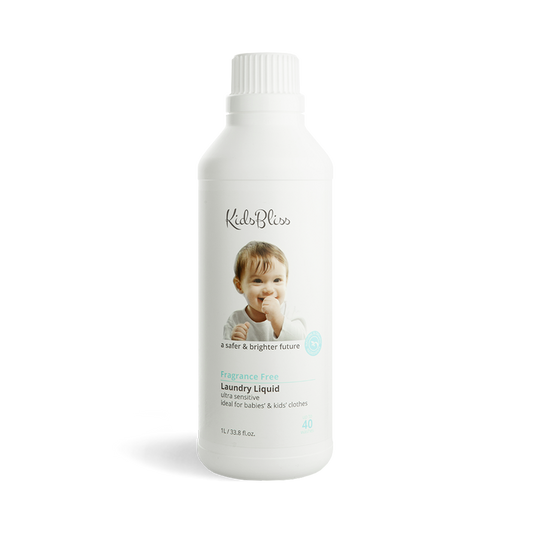
 The Ultimate Defense
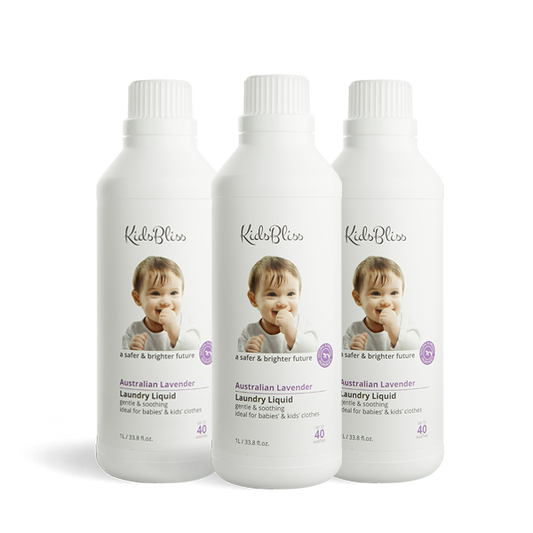
1L Fragrance-Free Laundry Liquid
For highly reactive skin and active eczema flares, eliminate every possible variable. Our pure, fragrance-free formula provides maximum cleaning power with zero irritants.
- 100% Fragrance-Free & Hypoallergenic
- Clinically balanced at pH 4.8
- Designed for daily nursery & family use
7. Strategic Recommendations: Managing the Textile Interface
Based on the synthesis of physiological data, chemical analysis, and clinical evidence, a proactive "Fabric Skincare" protocol is recommended for all infants, and is imperative for those with a history of eczema or sensitive skin.
7.1. The "Switch and Rinse" Protocol
-
Eliminate the Aggressors:
-
Action: Switch immediately to a detergent that explicitly states "0 ppm Optical Brighteners" and uses non-ionic surfactants.
-
Label Reading: Do not rely solely on "Baby" or "Free and Clear" marketing. Verify the absence of "brightening agents," "fluorescent whitening agents," or "stilbenes" in the ingredient list.
-
Form Factor: Consider liquid or sheet formats over powders, as powders are more likely to leave undissolved particulate residues that cause physical abrasion.20
-
The Double Rinse Rule:
-
Action: For the first 6-12 months of life, or during any active eczema flare, utilize the "Extra Rinse" setting on the washing machine.
-
Mechanism: An extra rinse cycle physically dilutes the surfactant concentration in the final water load, significantly reducing the ppm of residue left on the fabric.26
-
Hard Water Management: In hard water areas, this step is non-negotiable to prevent calcium-surfactant precipitation.19
-
Load Size and Dosage:
-
Action: Avoid overloading the washing machine.
-
Mechanism: Effective rinsing requires mechanical agitation and free water flow through the fabric. Overstuffed loads trap detergent in the folds of clothing, leading to "hot spots" of high residue concentration.
-
Dosing: Use the minimum recommended dose. More detergent does not equal cleaner clothes; it equals more residue.
7.2. "Detox" the Wardrobe
-
Wash Before Wear:
-
Action: Always wash new clothes before they are worn by the infant.
-
Rationale: New textiles are often treated with formaldehyde resins (for wrinkle resistance) and excess dyes.17 These manufacturing residues are potent sensitizers and must be removed.
-
Caregiver Clothing:
-
Action: Caregivers should consider washing their own clothes in the baby-safe detergent, or at least avoid high-fragrance products.
-
Rationale: Infants spend hours resting their faces against parents' chests. "Contact dermatitis by proxy" can occur when the baby reacts to the parent's clothing.6
-
Bedding and Swaddles:
-
Action: Wash bedding weekly in hot water (min 55°C) with safe detergent.
-
Rationale: This manages the "Textile Microbiome," killing dust mites and bacteria that colonize the fabric, while the safe detergent ensures no chemical irritants replace the biological ones.23
8. Conclusion: The Foundation of Infant Skin Health
The evidence presented in this report leads to a singular, transformative conclusion: Step one of skincare does not begin with a lotion bottle; it begins in the washing machine.
The physiological reality of the infant skin barrier—being one-third the thickness of an adult’s, functionally immature, and chemically permeable—renders it uniquely susceptible to the "chemical soup" of modern laundry detergents. The presence of aggressive surfactants, optical brighteners, and enzymes in standard formulations creates a continuous, low-grade chemical assault on the neonate's skin.
With 28% of infants suffering from contact dermatitis linked to these residues, and 44% of cases showing improvement simply by switching to a specialized detergent, the data demands a fundamental shift in how we view infant hygiene. "Clean" can no longer be defined by the optical illusion of whiteness or the persistence of a synthetic floral scent. For the infant, "clean" must be defined by absence: the absence of residues, the absence of irritants, and the absence of barrier-disrupting chemicals.
By adopting the Fabric Skincare paradigm—viewing textiles as a delivery system for health rather than just a covering—parents and caregivers can eliminate a hidden source of chronic inflammation. This allows the infant’s skin barrier to mature, acidify, and function as nature intended, free from the invisible burden of the laundry room.
Statistical & Fact Summary Table
|
Metric |
Value |
Source & Context |
|
Infant Skin Thickness |
1/3 of Adult |
3 Epidermal & SC vertical dimension; increased permeability. |
|
Contact Dermatitis Rate |
28% of Infants |
1 Linked to laundry surfactants (ACAAI data). |
|
Symptom Reduction |
44% |
1 Parents observing fewer rashes within 1 month of switching detergent. |
|
Erythema Prevalence |
42% |
1 In cases of neonatal dermatitis; most common symptom. |
|
Neonatal Unit Standard |
79% |
1 Hospitals requiring ionic-surfactant-free formulas. |
|
Market Growth |
14% CAGR |
1 Baby care products vs 3.8% general cleaning; reflects demand. |
|
Residue Limit (Baby) |
≤ 50 ppm |
1 Vs 1200+ ppm in regular detergents; critical safety threshold. |
|
Optical Brighteners |
0 ppm |
1 Required for true baby-safe certification; avoids phototoxicity. |
|
SC Thickness Difference |
34% Thinner |
3 Specific measurement on the thigh area. |