
Why Your Baby's Softest Organic Clothes Turn Rough (And the Eczema Secret Hidden in Your Laundry)
You spent hours building the perfect baby registry. You carefully researched and handpicked the purest, GOTS-certified organic cotton swaddles, buttery-soft bamboo onesies, and cozy, superfine merino wool sleepwear to wrap your sweet newborn in.
But after just a few washes, you notice a frustrating, heartbreaking change.
Those expensive, cloud-like blankets are starting to feel stiff, scratchy, and cardboard-like. Your baby's gorgeous organic knits are pilling, and worst of all, your little one is starting to develop dry, red, itchy patches of eczema on their skin.
You aren't doing the laundry wrong. Your laundry detergent is simply too harsh.
Here is the microscopic truth about how standard laundry detergents are secretly stripping away your fabrics' natural softness, and how a simple, science-backed shift to a biomimetic care routine can protect both your baby's skin and your wardrobe investment.
Your Baby's Clothes Are Their "Second Skin"
Most of us only think about baby skincare when we apply organic lotions, oils, or barrier creams. But those products only stay on your baby's skin for a few minutes. Their clothing, swaddles, and bed sheets are in direct, constant contact with their ultra-thin skin barrier 24 hours a day, 7 days a week.
This is why pediatric dermatologists identify laundry care as the true "Step 1" of baby skincare.
A newborn's skin is protected by a naturally acidic surface film called the acid mantle (with an optimal pH of 4.5 to 5.5). This acidity is a baby's natural shield—it locks in deep hydration, prevents dry patches, and blocks eczema-triggering bacteria from colonizing.
Standard laundry detergents are highly alkaline (pH 9.5–11.5) to cut grease. Modern, water-saving washing machines cannot easily rinse this residue away. Trapped inside tight clothing fibers, this alkaline residue reactivates with sweat, stripping skin lipids and triggering painful flare-ups.
The Chemistry: How Standard Wash Cycles Destroy Premium Fabrics
That exact same alkaline residue that irritates your baby's skin doesn't just sit there—it actively degrades and ages natural, high-value fibers at the macromolecular level. Natural fibers are biological structures, and they react heavily to different chemical environments:
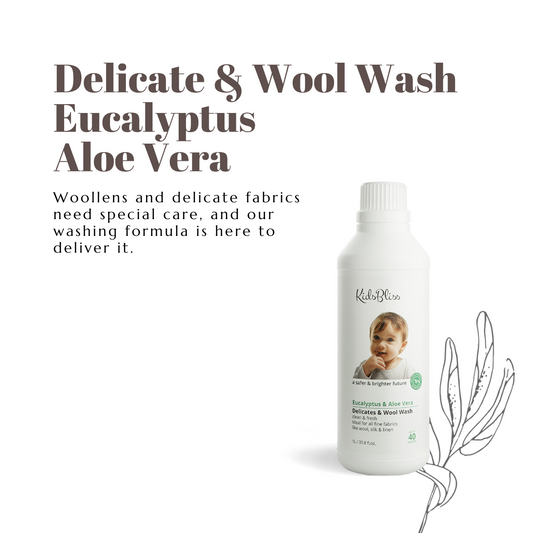
- Superfine Merino Wool & Cashmere (The Cuticle Effect): Merino wool is naturally covered in overlapping, microscopic cuticle scales. Keratin's structural equilibrium peaks at its isoelectric point of pH 4.8. When exposed to alkaline detergents (pH >8.5), these scales swell and flare outward, acting like tiny unidirectional ratchets. During mechanical washing, they lock together, causing irreversible felting, shrinkage, and a rough, highly abrasive surface that triggers skin itchiness.
- Organic Cotton (depectinization): Organic cotton fibers are protected by a natural, acidic pectic acid cell wall. Standard alkaline detergents strip this protective shield. This depectinization causes the core cellulose to swell, leading to excessive fiber shedding, structural thinning, and a stiff, cardboard-like feel.
- Bamboo Viscose (Alkaline Peeling): Bamboo viscose is incredibly soft, but highly amorphous and fragile—it loses up to 50% of its strength when wet. Standard detergents operate far above bamboo's safe limit of pH 8.2, triggering a depolymerization reaction called "alkaline peeling". This reaction shortens the cellulose chains, causing fabric thinning, heavy lint shedding, and tearing.
AATCC Test Method 144 (Surface Roughness Index) shows that superfine merino wool has a baseline roughness of 0.38 µm. Just one wash in an alkaline environment (pH 9.2) increases this roughness by 55% to 0.59 µm, turning a luxurious, soft knitwear piece into an abrasive, itchy eczema trigger! Conversely, keeping the pH at 4.8 keeps the cuticles flat, smooth, and beautifully soft.
The "Enzyme Itch": Why We Choose a Strictly Non-Bio Shield
To tackle stubborn organic stains like breast milk, spit-up, and diaper blowouts, most commercial baby detergents use bio-enzymes, specifically proteases. While marketed as a helpful cleaning feature, proteases are highly dangerous for sensitive newborn skin and delicate fibers:
Proteases function by chemically digesting protein bonds. Trapped inside babywear, they reactivate with sweat and literally begin microscopically digesting your baby's delicate skin proteins (collagen and keratin). Since wool and cashmere are protein fibers (keratin), these enzymes digest the clothing itself, causing fraying, holes, and fiber shedding.
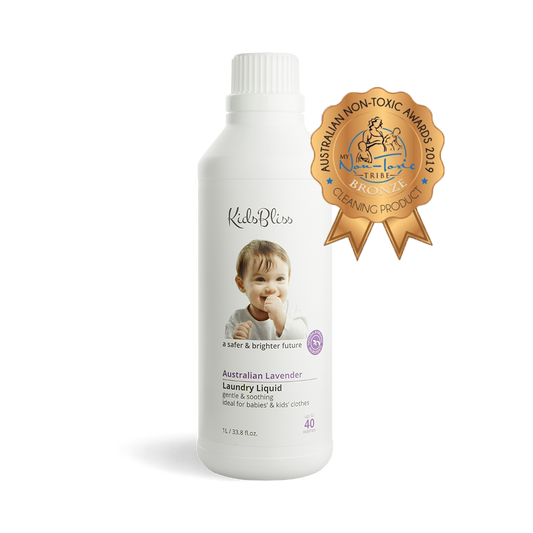
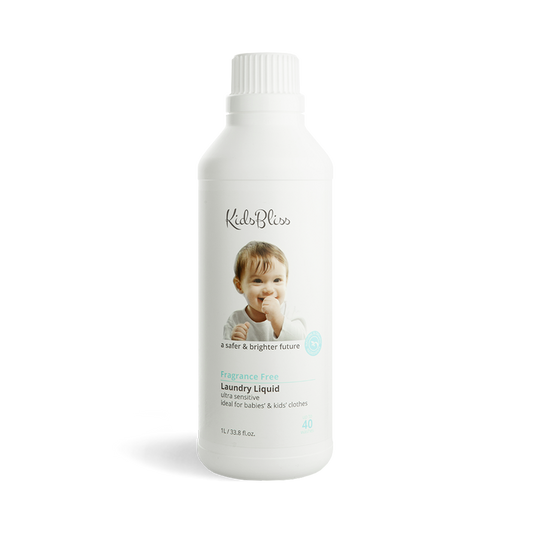
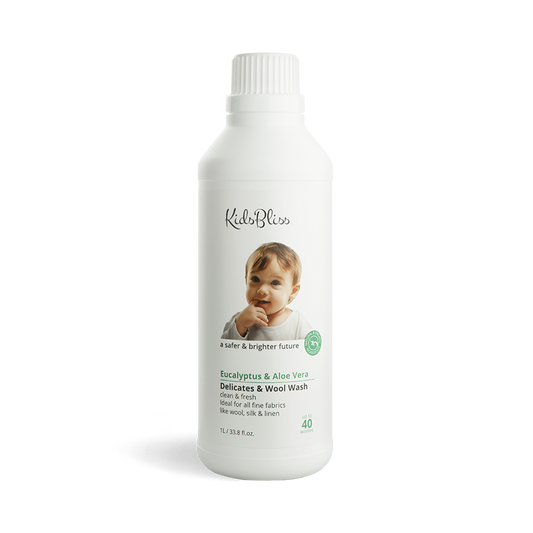
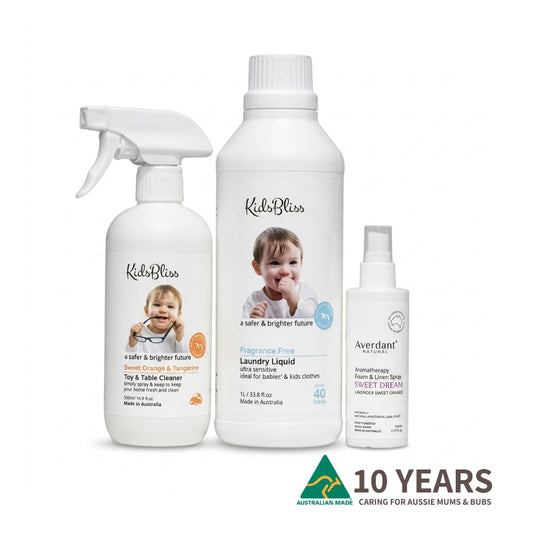
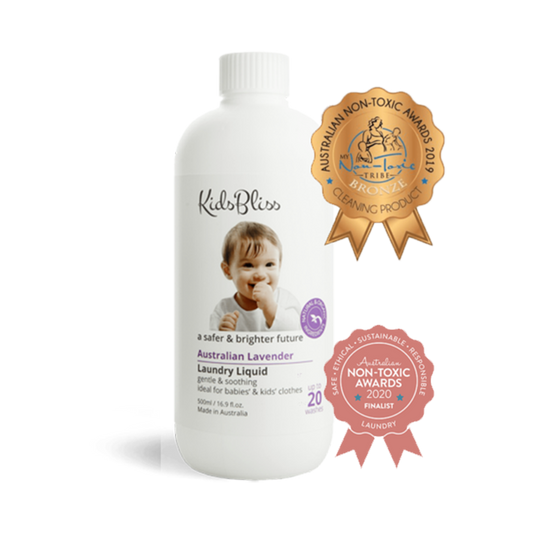
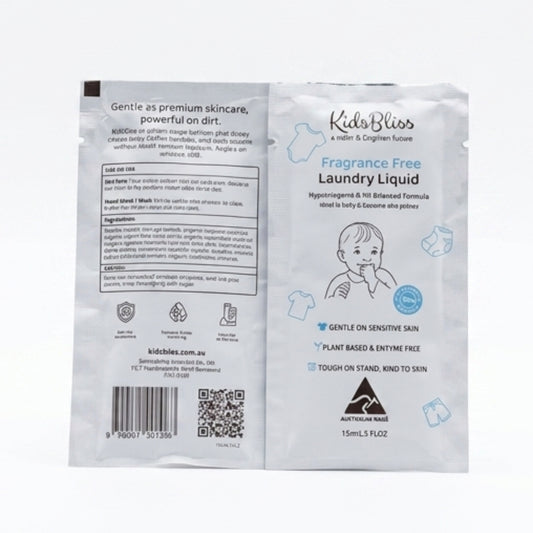
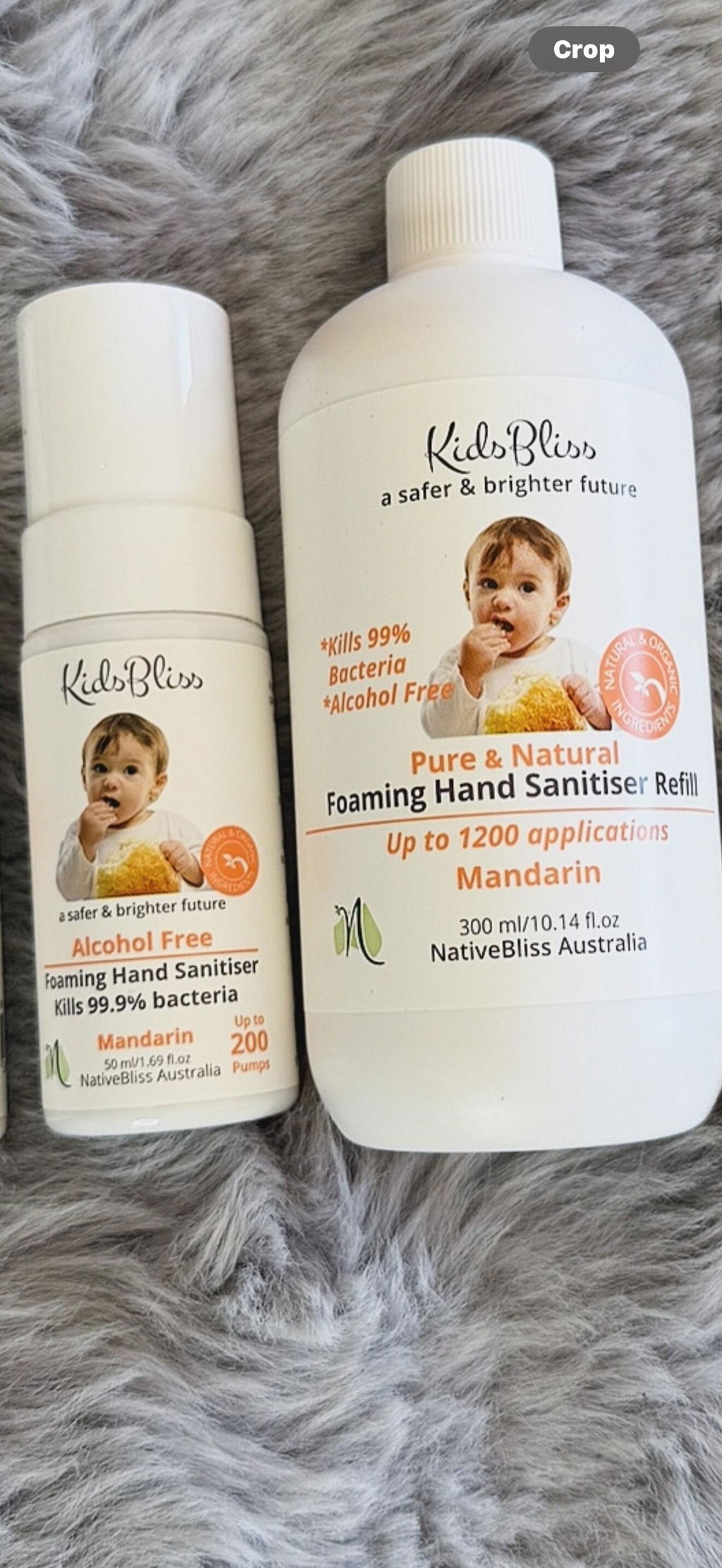
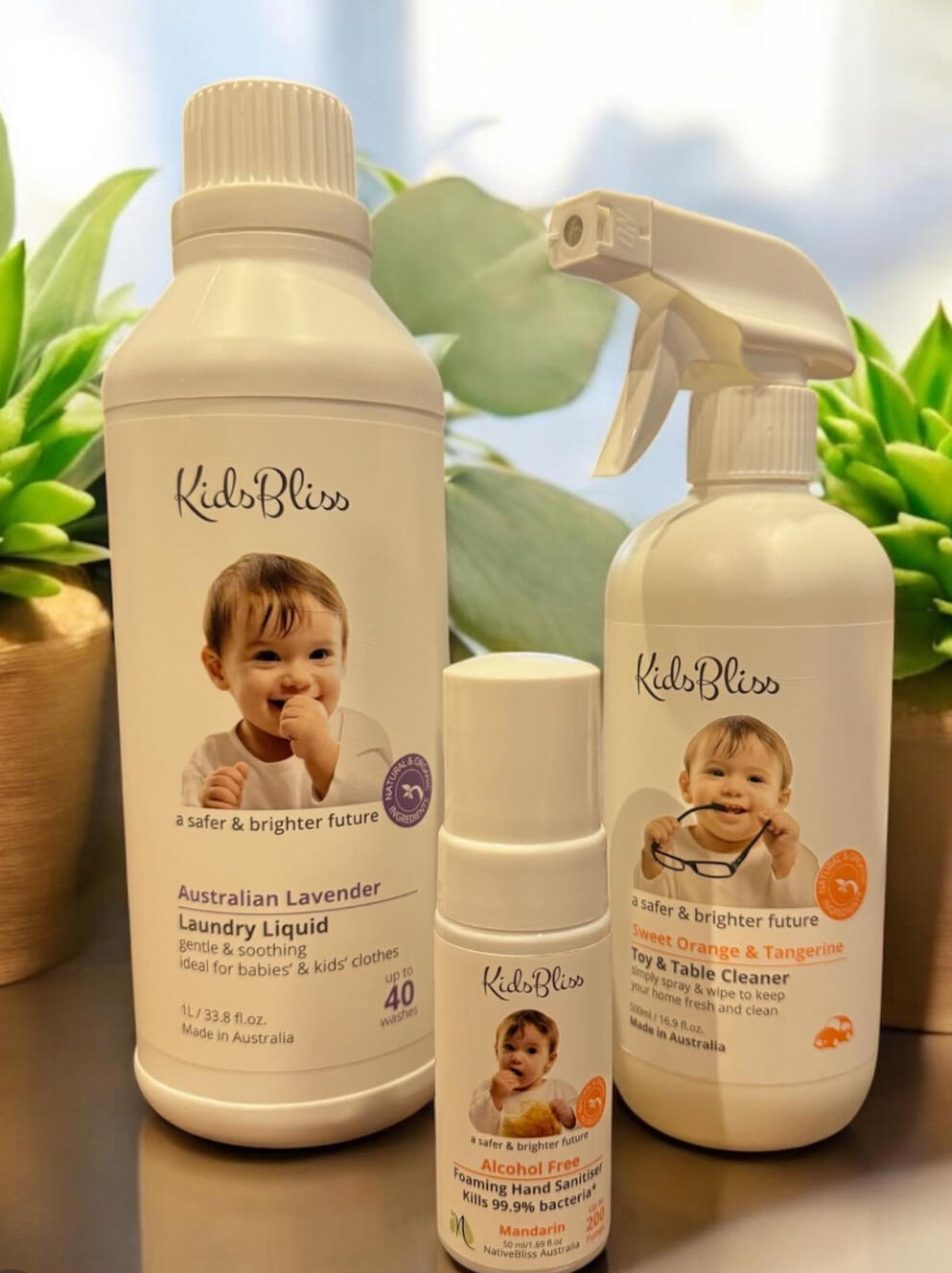
KidsBliss is strictly 100% Non-Biological (Enzyme-Free). We achieve spotless stain-lifting and deep cleanliness through superior solubility, thermodynamic wetting, and skincare-grade micellar emulsification, lifting soil completely out of the weave without digesting your baby's skin or garments.
The KidsBliss Solution: Biomimetic Pediatric Fabric Skincare
We engineered KidsBliss to break this destructive cycle. By harnessing the principles of physical chemistry and biomimicry, we designed a pediatric care routine that supports baby skin physiology while protecting luxury biological fabrics.
- The pH 4.8 Coincidence: KidsBliss is the first laundry liquid precisely balanced to a slightly acidic target of pH 4.8. This is the exact coordinate of healthy newborn skin and the perfect isoelectric comfort zone for protein and cellulose fibers, keeping scales and microfibrils locked flat, smooth, and pristine.
- Skincare-Grade Surfactants: We replaced cheap, skin-stripping industrial sulfates (like SLS) with Coco-Glucoside and Coco-Betaine—the exact same high-end, coconut-derived non-ionic and amphoteric cleansers used in premium dermatological facial washes.
-
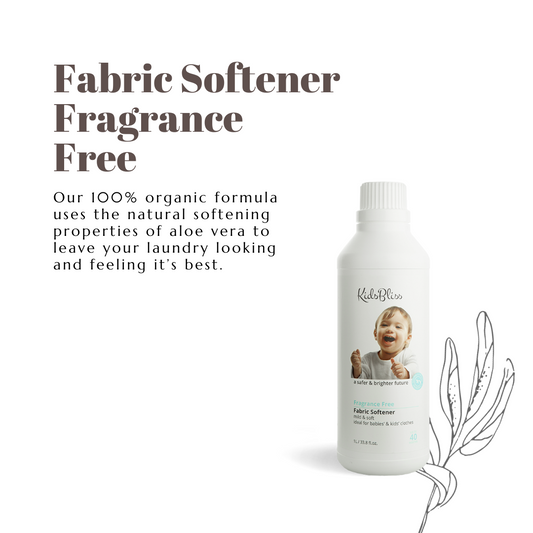
Natural Limescale Dissolution: In hard water, alkaline detergents precipitate calcium and magnesium carbonates (CaCO3 and MgCO3) directly onto fabric, creating an abrasive mineral crust. Our mildly acidic pH naturally dissolves these mineral deposits in the wash, keeping clothes soft and fluffy without toxic fabric softeners:
CaCO3 + H^+ → Ca^2+ + HCO3^-
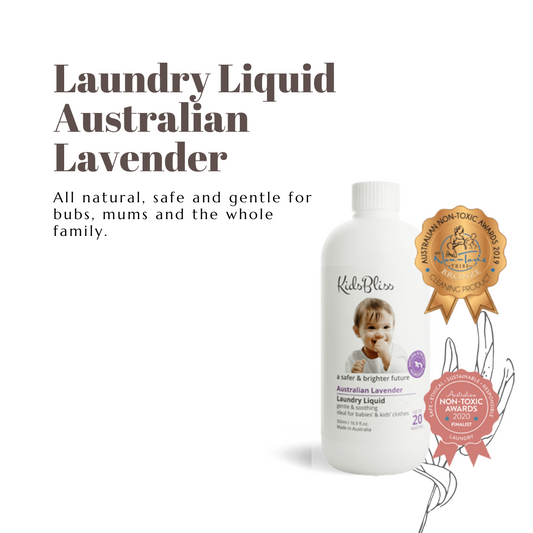
- 100% Pure Australian Lavender: Powered by natural organic soapwort extract to gently lift soil and infused with 100% pure organic Australian lavender oil for natural antiseptic and calming benefits—absolutely zero synthetic fragrance, zero optical brighteners, and zero toxic chemical film.
How to Protect Your Babywear Investment
To keep those gorgeous pieces from Australian labels like Snuggle Hunny, Smitten Merino, Toorallie, and Cuddly Bubs as soft and beautiful as the day they arrived, follow this simple chemical care protocol:
- Wash Cold (≤30°C): Warm water swells cellulose fibers. Cold water reduces radial swelling, preventing pilling and preserving tensile strength.
- Low Agitation: Wash on the "Wool" or "Delicate" setting with a low spin speed (400–600 RPM) to minimize mechanical friction and avoid seam failures.
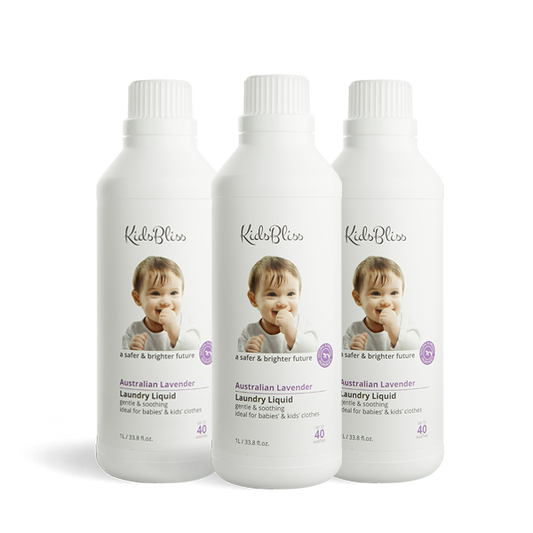
- Use KidsBliss pH 4.8: Buffers the wash microenvironment, protects natural fiber coatings, and keeps baby clothes safe for sensitive skin.
- Never Tumble Dry: Heat above 40°C degrades fibers.[12] Lay items flat to dry on a mesh rack to allow hydrogen bonds to reform in their natural, relaxed orientation.