
🎧 Busy Parent? Listen to the Quick Summary (5 mins)
TL;DR: The Science of Newborn Skin & Fabric Care
The Problem: Harsh winter air and artificial indoor heating strip moisture from your baby's delicate skin. Mass-market laundry detergents leave highly alkaline residues (pH 9-11) that actively destroy the skin's protective "acid mantle."
The Science: Healthy infant skin relies on a strict surface pH of 4.8 to lock in moisture, synthesize protective ceramides, and defend against eczema-causing bacteria.
The Solution: Skincare starts in the laundry. A 100% enzyme-free, plant-based fabric cleanser calibrated to pH 4.8 protects the barrier and prevents chemical "enzyme burn."
Introduction: The Paradigm Shift in Pediatric Dermatology and Fabric Care
The integumentary system of a neonate represents one of the most profound biological marvels in human physiology, engineered to undergo a rapid and dramatic transition from the sterile, temperature-controlled, aquatic environment of the amniotic sac to a harsh, terrestrial ecosystem laden with pathogenic microbes, fluctuating ambient humidity, and an array of anthropogenic chemical irritants. For decades, the standard focus within pediatric dermatology and post-natal care has been directed primarily toward the reactive application of topical emollients, corticosteroid creams, and barrier ointments to mitigate the exceptionally high incidence of inflammatory skin conditions, most notably atopic dermatitis (AD) and contact eczema. However, advanced clinical investigations, biophysical profiling, and dermatological science have catalyzed a paradigm shift. Emerging evidence reveals that optimal infant skin health does not begin with post-exposure treatments, but rather with the foundational microclimate established at the textile-skin interface.
At the core of this microclimate is the biophysical concept of the "acid mantle," a highly specialized, slightly acidic hydrolipidic film covering the stratum corneum. While historical literature and commercial marketing frequently generalized the optimal cutaneous pH as resting broadly between 5.0 and 5.5, exhaustive quantitative research over the past two decades has redefined this metric. Rigorous biophysical studies have established that a natural, healthy skin surface pH averages closer to 4.7 to 4.8.1 This precise measurement is not an arbitrary biological setpoint; it is a fundamental, evolutionary prerequisite for structural integrity, antimicrobial defense, and lipid barrier maturation.2 In infants, whose epidermal anatomy is functionally immature and highly permeable relative to adults, the preservation of this pH 4.8 equilibrium is absolutely critical for long-term immunological and dermatological homeostasis.4
As environmental stressors intensify—particularly during severe seasonal shifts, such as the Australian transition from autumn into winter heading into May—the infant skin barrier faces compounding, synergistic threats. These include severe reductions in ambient humidity, the widespread implementation of desiccating artificial indoor heating, and continuous, unyielding exposure to chemical irritants.6 Among the most pervasive, yet frequently overlooked, exogenous threats is the chemical residue deposited by mass-market laundry detergents.9 Standard fabric cleansers are routinely formulated at highly alkaline pH levels (often ranging from pH 9.0 to 11.0) and incorporate synthetic, high-activity proteases.4 This establishes a pathological dynamic where textiles—which envelop the infant for up to 24 hours a day—effectively act as a delivery vector for continuous, low-dose alkaline and enzymatic exposure.9
This comprehensive report provides an exhaustive, expert-level analysis of the structural mechanics of infant skin, the molecular biology of the acid mantle calibrated precisely at pH 4.8, the environmental exacerbators inherent to the autumn-winter transition, and the critical necessity of treating fabric care as the primary intervention in pediatric skincare. By understanding the intricate biology of the epidermis, it becomes unequivocally clear that true skin protection must initiate not in the lotion bottle, but in the laundry drum.
Anatomical and Structural Immaturity of the Infant Epidermis
To fully comprehend the extreme vulnerability of newborn skin to environmental fluctuations and chemical disruptions, it is imperative to first analyze its unique morphological, functional, and dimensional architecture. Although a full-term infant possesses the same fundamental number of epidermal layers as a mature adult, the dimensions, cellular density, and barrier capabilities of these layers are markedly deficient during the first two years of life.6 This structural immaturity dramatically alters the pharmacokinetics and toxicodynamics of any substance that comes into contact with the infant's body.
Dimensional Deficiencies and the Diffusion Pathway
The primary barrier separating the internal physiological milieu from the external environment is the stratum corneum (SC). The SC is the outermost layer of the epidermis, composed of flattened, anucleated corneocytes embedded in a highly organized, hydrophobic lipid matrix—a structure frequently conceptualized in dermatological literature as a "brick and mortar" configuration.4
Quantitative biophysical studies reveal that the infant stratum corneum is significantly thinner than that of a mature adult across virtually all anatomical sites. Specifically, morphometric measurements taken on the upper inner arm indicate that the infant SC is approximately 18% thinner, while the underlying suprapapillary epidermis is 22% thinner than corresponding adult tissues.4 In other anatomical regions subjected to high friction, such as the thigh, the variance in SC thickness can be as dramatic as 34%.4 When aggregating data across multiple body sites and evaluating the total viable epidermis, clinical consensus recognizes the infant skin barrier as being functionally equivalent to approximately one-third the vertical thickness of an adult's barrier.4
|
Anatomical Metric |
Adult Baseline |
Infant Variance |
Functional Consequence |
|
Stratum Corneum Thickness (Arm) |
Standard |
18% Thinner |
Shortened chemical diffusion pathway. |
|
Suprapapillary Epidermis Thickness |
Standard |
22% Thinner |
Increased proximity to the cutaneous immune system. |
|
Stratum Corneum Thickness (Thigh) |
Standard |
34% Thinner |
Elevated vulnerability to mechanical and chemical friction. |
|
Total Viable Epidermis Estimate |
100% |
~33% (One-Third) |
Drastically reduced structural impediment to exogenous toxins. |
This profound reduction in vertical dimension translates directly to a drastically shortened diffusion pathway.4 The protective efficacy of a cutaneous barrier is largely dictated by the physical distance a foreign molecule must travel to penetrate the viable layers and reach the systemic circulation.4 Because the infant stratum corneum is exceptionally thin, chemical residues retained in clothing—such as industrial surfactants, alkaline builders, synthetic fragrances, and optical brighteners—can traverse the barrier and interact with the cutaneous immune system with alarming rapidity.4
Surface Topography and Systemic Toxicity Risks
Beyond mere vertical thickness, the surface topography of infant skin differs fundamentally from adult skin. Infant skin morphology is characterized by denser microrelief lines closer to the surface and a highly uniform, closely packed arrangement of dermal papillae.4 While this specific topography imparts the characteristic tactile smoothness and softness universally associated with babies, it simultaneously generates a significantly higher surface area-to-volume ratio.4
The physiological implications of this geometric reality are profound. The combination of a highly permeable, physically thinner barrier and a relatively massive surface area means that infants absorb a proportionally higher systemic dose of topically applied chemicals or textile residues relative to their overall body weight.4 A concentration of alkaline residue or a microscopic enzymatic load that might be rapidly buffered or dismissed as negligible by a mature adult's physiology can reach severe toxicological significance in a neonate.4 This heightened absorptive capacity routinely leads to systemic hypersensitivity, localized contact dermatitis, severe transepidermal water loss (TEWL), and the acceleration of atopic cascades.4
The Biological Imperative of the Acid Mantle: Redefining pH 4.8
The term "acid mantle" refers to the complex, slightly acidic hydrolipid film that coats the entirety of the stratum corneum. This protective layer is derived from a highly orchestrated combination of sebaceous gland secretions (sebum, which contains free fatty acids), eccrine sweat gland secretions (which contribute lactic acid and amino acids), and the breakdown products of epidermal keratinization (such as urocanic acid and pyrrolidone carboxylic acid).14 The pH scale, which measures the concentration of hydrogen ions (H+) in an aqueous solution logarithmically from 0 to 14, dictates that values below 7.0 are acidic, 7.0 is neutral, and values above 7.0 are alkaline (or basic).14
The Lambers Reassessment: Correcting the 5.5 Myth
Historically, foundational dermatological texts and widespread commercial marketing posited that the average pH of human skin resided in the range of 5.0 to 5.5.5 However, this metric was inherently flawed due to experimental artifacts. Many early clinical studies measured skin pH shortly after subjects had bathed or washed with municipal tap water.2 Because standard tap water typically possesses a neutral to slightly alkaline pH (7.0 to 8.0), its application temporarily elevated the skin's surface pH, leading researchers to record an artificially high baseline.2
Landmark clinical biophysics research, particularly the exhaustive and highly controlled investigations conducted by Lambers et al. (2006), definitively corrected this assumption.1 By evaluating subjects under strict protocols—specifically utilizing biophysical extrapolation to measure skin that had deliberately refrained from exposure to alkaline tap water or cosmetic products for a full 24 hours—researchers established that the true, natural baseline pH of the human skin surface is mathematically below 5.0. It averages precisely between 4.7 and 4.8.2
This specific pH value of 4.8 is not an incidental biological byproduct; it is a profound evolutionary adaptation that actively regulates a multitude of cascading biochemical processes essential for epidermal survival.2
 The Neonatal Acidification Window
Crucially, newborns do not enter the world with this protective acidic mantle intact. At the exact moment of birth, the skin surface pH of a neonate is near-neutral to mildly alkaline, typically ranging from 6.34 to 7.5, depending on gestational age and the specific anatomical site assessed.14 This initial alkalinity is largely a physiological remnant of the neutral pH of the amniotic fluid and the protective presence of the vernix caseosa.17
Over the critical first days and weeks of life, a multitude of endogenous mechanisms must rapidly deploy to excrete protons, process free fatty acids, and aggressively acidify the skin surface, essentially constructing the acid mantle from zero.14 During this vulnerable acidification window, the infant is highly susceptible to microbial colonization and severe barrier disruption.14 Very low birth-weight infants and premature babies frequently experience delayed or severely impaired skin acidification, placing them at an exceptionally elevated risk for infectious complications, invasive dermatitis, and systemic irritation.14 The transition to pH 4.8 must be meticulously safeguarded by caregivers.
Maintaining the precise physiological pH of 4.8 orchestrates three primary, non-negotiable physiological functions within the infant stratum corneum: Antimicrobial Defense, Lipid Barrier Maturation, and the Regulation of Proteolytic Desquamation.
The Triad of pH-Dependent Barrier Functions
1. The Antimicrobial Defense Mechanism and Microbiome Homoeostasis
The acid mantle serves as the primary, hostile, exclusionary barrier against pathogenic bacteria, fungi, and environmental viruses, while simultaneously fostering a highly symbiotic environment for beneficial commensal microflora.12 The optimal mildly acidic pH range strictly below 5.0 creates highly favorable metabolic conditions for harmless, protective resident bacteria, such as Staphylococcus epidermidis.12 Concurrently, this specific acidity actively inhibits the growth and proliferation of transient, highly pathogenic organisms like Staphylococcus aureus, which require neutral to alkaline pH levels to multiply effectively.12
Beyond merely creating a hostile chemical environment, the specific pH of 4.8 directly and catalytically regulates the efficacy of antimicrobial peptides (AMPs) naturally secreted by the skin's eccrine network. Dermcidin, a potent broad-spectrum antimicrobial peptide present in human sweat, relies entirely on a highly specific acidic milieu to fold into its active molecular conformation.3 In quantitative clinical in vitro assays, dermcidin demonstrates an exceptional bactericidal efficacy of greater than 90% against Staphylococcus aureus at a pH of 5.5.3 However, when the pH is elevated even marginally to 6.5, this bactericidal effect plummets dramatically to merely 60%, leaving the skin virtually defenseless against staphylococcal colonization.3
Furthermore, an acidic pH actively facilitates the bacterial conversion of nitrate (which is continuously excreted in sweat) into nitrite, a highly potent, nonspecific antimicrobial compound that further sterilizes the skin surface against opportunistic infections.3 If the pH rises, this chemical conversion halts, stripping the infant of a critical layer of innate chemical immunity.
2. Lipid Barrier Maturation and the Prevention of TEWL
The impermeability of the stratum corneum—its fundamental ability to trap vital moisture inside the body and prevent Transepidermal Water Loss (TEWL)—relies heavily on the continuous synthesis and spatial organization of a hydrophobic lipid matrix. This matrix is primarily composed of equimolar ratios of ceramides, cholesterol, and free fatty acids.22
The enzymatic processing required to construct this lipid matrix occurs in the deeper, viable layers of the stratum corneum and is strictly pH-dependent. The primary enzymes responsible for converting precursor lipids into functional, structural ceramides, notably β-glucocerebrosidase and acidic sphingomyelinase, exhibit their optimal catalytic activity exclusively at an acidic pH.3 If the skin's surface pH is artificially elevated through exposure to alkaline soaps, tap water, or textile detergent residues, these critical enzymes become rapidly dormant.3
Consequently, the maturation of the hydrophobic barrier halts entirely. Lamellar bodies, the cellular organelles responsible for delivering lipids to the extracellular space, fail to secrete their lipid contents properly. Without a functioning lipid mortar, the infant skin rapidly loses its capacity to retain water, leading to severe clinical dehydration, rigidification of the stratum corneum, and the onset of dry, scaling dermatoses.3 Research has explicitly demonstrated that using alkaline products (pH 8 or greater) causes significant disruption to this matrix, prolonging the recovery time during which the infant's skin is vulnerable to eczema triggers, redness, and severe sensitivity.22
3. Regulation of Proteolytic Desquamation: The Kallikrein Cascade
Perhaps the most complex, consequential, and least understood function of the pH 4.8 acid mantle is the regulation of physiological desquamation—the precise, systematic, and invisible shedding of dead skin cells (corneocytes). Corneocytes are physically bound together by incredibly robust protein structures known as corneodesmosomes, which act as the microscopic "rivets" holding the epidermal barrier together.24 For skin to shed healthily and maintain a smooth texture, these rivets must be severed by a family of endogenous serine proteases known as human tissue Kallikrein-related peptidases (hKLKs), specifically KLK5, KLK7, and KLK8.24
Crucially, these endogenous Kallikrein enzymes exhibit optimal catalytic activity in neutral to highly alkaline environments. Extensive ex vivo analyses have demonstrated that KLK8, for instance, displays its maximum proteolytic activity at a pH of 8.5, while maintaining only basal, highly suppressed activity at an acidic pH of 5.0.26 The skin's internal pH gradient—which sits near 7.0 at the deepest layers of the viable epidermis and drops sharply to 4.8 at the outermost surface—acts as a masterful biological rheostat. As skin cells migrate outward toward the highly acidic surface, the activity of the Kallikreins is heavily suppressed by the low pH, ensuring that the corneodesmosomes are degraded slowly, methodically, and safely.3
When the infant acid mantle is compromised and the surface pH shifts toward neutral or alkaline (e.g., pH 7.0 to 9.0), the biological rheostat fails. The Kallikrein proteases become rapidly and dangerously hyperactivated.3 This results in the aggressive, uncontrolled cleavage of desmoglein 1, alkaline ceramidase, and other vital structural proteins.3 The skin essentially begins to rapidly digest its own structural integrity, leading to persistent, pathological exfoliation, profound transepidermal water loss, and the creation of microscopic fissures that allow external allergens to bypass the barrier.3
This hyperactive proteolytic state, triggered by an elevated pH, is recognized by modern dermatology as a primary molecular driver behind highly inflammatory skin diseases, such as Atopic Dermatitis (AD) and the severe congenital condition Netherton Syndrome.24 Controlling Kallikrein activity by ruthlessly maintaining a pH of 4.8 is therefore not merely cosmetic; it is a vital clinical intervention to prevent the onset of chronic inflammatory diseases.24
|
Biological Function |
Mechanism at Optimal Infant pH (4.8) |
Pathology at Elevated / Alkaline pH (>7.0) |
|
Antimicrobial Defense |
Dermcidin achieves >90% bactericidal efficacy; inhibits S. aureus proliferation. |
Dermcidin efficacy drops below 60%; pathogenic bacterial colonization accelerates rapidly. |
|
Lipid Synthesis |
β-glucocerebrosidase synthesizes structural ceramides effectively, retaining moisture. |
Processing enzymes are suppressed; lipid synthesis halts, leading to extreme moisture loss. |
|
Cellular Desquamation |
Kallikrein proteases (KLK5, 7, 8) are moderated, ensuring orderly, safe cell shedding. |
Kallikreins hyperactivate, prematurely destroying corneodesmosomes and causing barrier collapse. |
Environmental Stressors: The Australian Autumn-Winter Exacerbation
The structural fragility of the infant skin barrier and the delicate biochemical balance of the acid mantle are severely compounded by specific environmental transitions. In Australia, the onset of May introduces a harsh climatic shift from autumn into winter, establishing atmospheric conditions that act as a mechanical and thermodynamic siphon on epidermal moisture.
Epidemiological research examining the seasonal epidemiology of pediatric dermatoses consistently identifies a robust correlation between the precise time of birth, early seasonal environmental exposure, and the subsequent incidence of Atopic Dermatitis. Extensive cohort studies indicate that infants born in the autumn possess the highest statistical risk of developing severe eczema by the age of six months, demonstrating an adjusted odds ratio (aOR) of 2.19.27 Furthermore, these autumn-born infants maintain elevated risks of physician-diagnosed AD up to one year of age (aOR, 1.33) when compared directly to cohorts born in the spring.27 This highlights that the first few months of environmental exposure dictate long-term barrier resilience.
The Thermodynamics of Transepidermal Water Loss (TEWL)
The biophysics of skin dehydration during colder months are governed by the strict physical principles of relative humidity and vapor pressure gradients. Cold atmospheric air physically lacks the capacity to retain the same volume of moisture as warm summer air.29 When the ambient humidity level drops precipitously during the autumn-winter transition, it creates a steep, hostile thermodynamic gradient between the water-dense layers of the infant's viable epidermis and the arid external environment.29
The atmosphere aggressively extracts water from the stratum corneum through simple osmosis, attempting to reach equilibrium. This accelerates Transepidermal Water Loss (TEWL) to rates that the immature infant body cannot naturally replenish.29 The stratum corneum, robbed of its vital water content, becomes rigid, fragile, and deeply compromised. Cellular metabolism slows, the skin barrier weakens, and microscopic cracks develop, creating direct pathways for external irritants and allergens to penetrate deep into the dermis.29 Even infants without a genetic predisposition to dry skin will suffer significant barrier impairment under these specific thermodynamic conditions.
The Compounding Threat of Artificial Indoor Heating
To combat the outdoor chill of the Australian winter, households universally rely on aggressive artificial heating systems—primarily reverse-cycle air conditioning units, central gas heating, and localized electric rod heaters.7 While these devices successfully elevate indoor temperatures, they are universally catastrophic to the preservation of the infant acid mantle and epidermal hydration.
The mechanics of artificial heating rely on the continuous circulation, combustion, and warming of air, a process that systematically eradicates ambient indoor moisture. While healthy infant skin requires an optimal indoor relative humidity of 40% to 50% to maintain homeostasis, heated indoor environments routinely plummet to humidity levels as low as 10% to 20%.7 These metrics are quantitatively equivalent to severe desert conditions.8
Unlike the brief, transient exposure to outdoor cold, infants are subjected to these desiccating indoor environments almost continuously. A standard daily routine for an infant in winter involves sleeping in a heated bedroom for 8 to 10 hours, attending a heated daycare or school for 6 to 7 hours, spending time in heated living areas for 3 to 4 hours, and facing direct radiant heat sources.7 This culminates in 19 to 24 hours of near-constant thermal and low-humidity stress daily.7 The skin is never granted a respite to recover its moisture deficit.
|
Daily Environment |
Typical Infant Duration |
Impact on Skin Hydration (Humidity Level) |
|
Heated Bedroom (Overnight) |
8 - 10 hours |
Extreme moisture stripping during natural nighttime TEWL peak. |
|
Daycare / School Heating |
6 - 7 hours |
Sustained low humidity (10-20%); inhibition of barrier repair. |
|
Heated Living Areas |
3 - 4 hours |
Direct exposure to radiant heat sources (e.g., gas/electric heaters). |
|
Total Daily Exposure |
17 - 21+ hours |
Chronic, unyielding barrier desiccation. |
Furthermore, the constant oscillation between an artificially heated indoor environment (e.g., 22°C) and the freezing outdoor environment (e.g., 8°C) inflicts repeated "thermal shocks" on the infant's vascular and epidermal systems.8 This rapid expansion and contraction of the skin's microvasculature weakens the biological resilience of the barrier, compromising its ability to maintain proper moisture levels.8
In highly controlled, split-face clinical studies monitoring participants exposed to indoor heating for short durations (merely 6 hours), objective biophysical instruments recorded statistically significant increases in skin temperature, surface roughness, redness, and accelerated TEWL, alongside a measurable deterioration in structural elasticity.30 For an infant, whose epidermis is already inherently thin, structurally immature, and deficient in natural moisturizing factors, continuous exposure to heated, low-humidity environments essentially paralyzes the skin's ability to repair micro-fissures and excrete the necessary acids to maintain its protective pH balance.6
The Hidden Threat: Exogenous Alkalinity from Cleansing Agents
Given the extreme fragility of the acid mantle and the escalating, daily threat of winter-induced TEWL, the introduction of any exogenous chemical that further alters the surface pH represents a severe clinical risk. It is a well-documented dermatological fact that conventional soaps, commercial body washes, and even standard tap water exact a profound toll on the skin's acid-base homeostasis.18
Most conventional soap products are formulated through the saponification of fats with an alkaline base, resulting in an inherent product pH ranging from 8.0 to an exceptionally caustic 11.0.23 The physical and chemical interaction between these highly alkaline surfactants and the carefully calibrated, acidic stratum corneum is exceptionally destructive.
In rigorous clinical trials evaluating the impact of diverse cleansing protocols on infant skin, researchers tested tap water, liquid detergents, and alkaline soaps. The application of alkaline soap (pH 9.5) elicited the most severe and immediate physiological damage.18 Within merely 10 minutes post-cleansing, the skin surface pH of infants subjected to the alkaline soap surged upward by an average of +0.45 units, aggressively overriding the protective acid mantle and shifting the skin toward a neutral, vulnerable state.18
More alarming than the acute pH spike is the simultaneous eradication of the lipid matrix. In the identical clinical trials, washing infant skin with alkaline soap induced a catastrophic depletion of surface fat content, demonstrating a massive structural decrease of 4.81 micrograms/cm² of essential barrier lipids.18 As established previously, surfactants physically extract stratum corneum lipids by adsorbing into the lipid bilayer, leading to the dissolution of the hydrophobic "mortar" that holds the corneocytes together.33
Furthermore, exposure to high-pH surfactant solutions triggers deep morphological degradation; the SC proteins undergo abnormal swelling and aggressive exfoliation.33 Biophysical measurements utilizing optical coherence tomography (OCT) and infrared (IR) spectroscopy reveal that the transition temperature (Tm ) of the residual SC lipids actively increases at a pH of 10 compared to a pH of 4. This increase suggests the lipids transition into a stiffened, rigid, and functionally useless matrix that cannot flex or retain water, severely exacerbating surfactant-induced skin irritation.34
The physiological recovery from this alkaline assault is painfully protracted. The application of a cleanser with a pH of 8.0 or higher can neutralize the delicate infant acid mantle in a matter of seconds. Yet, because the infant skin possesses limited enzymatic and metabolic reserves, it may require up to six full hours to excrete enough natural acids to restore the pH to 4.8.2 If a parent unknowingly utilizes aggressive cleansers both morning and evening, the infant skin is plunged into a permanent, unbroken state of alkalization. In this state, the barrier is rendered entirely defenseless against pathogenic bacteria, profound moisture loss, and environmental toxins.32
The Fabric-to-Skin Interface: Why Skincare Starts with Laundry
While modern parents are increasingly educated regarding the dangers of highly alkaline bath soaps and frequently seek pH-balanced lotions, a far more insidious, chronic, and deeply intimate source of alkaline and chemical exposure remains largely unaddressed in standard pediatric care: laundry detergent residue.9 A fundamental paradigm shift must occur in parental education, particularly during the nesting phase: fabric care is not a domestic chore distinct from skincare; the fabric itself is the first, most continuous layer of skincare.
An infant is enveloped in textiles for virtually 24 hours a day—from onesies, singlets, and swaddles to heavy winter bedding, woolen blankets, and sleep sacks.9 These garments do not merely rest inertly against the body. They generate a highly active, occlusive micro-environment, referred to in dermatological science as a "textile-skin interface." The mechanical friction of the fabric against the infant's delicate skin, combined with the natural occlusion provided by the garment, facilitates a continuous, unbroken transfer pathway for any chemical residues left behind deep within the fibers during the laundering process.9
The Mechanism of Chemical Transfer and Systemic Dysregulation
When garments are laundered using traditional, mass-market detergents, the standard rinsing cycle of a domestic washing machine is rarely sufficient to eliminate the complex matrix of synthetic chemicals utilized in the formulation.35 These mass-market formulations are engineered with extreme chemical hardiness specifically to eradicate heavy biological soils from adult clothing. Consequently, heavy residues of highly alkaline builders, aggressive industrial surfactants, optical brighteners, synthetic fragrances, and catalytic enzymes become deeply embedded within the microscopic woven matrix of the fabric.9
As the infant wears the garment, the body's natural radiant heat and the subtle generation of eccrine sweat serve to re-solubilize these dried chemical residues.11 Once re-wetted by the infant's sweat, the alkaline salts and harsh surfactants migrate out of the textile fibers and are deposited directly onto the stratum corneum.9 Because the infant skin barrier is up to 34% thinner than an adult's, these residues penetrate the viable epidermis almost instantly.4 This continuous chemical transfer forcefully shifts the skin's surface pH out of the safe 4.8 zone and initiates the hyperactivation of the Kallikrein cascade discussed earlier, keeping the skin trapped in a state of high TEWL and alkaline stress.3
The implications of this exposure extend far beyond topical contact dermatitis. Groundbreaking toxicological research indicates that laundry detergent (LD) residues possess highly disruptive effects on epithelial barrier functions.36 In vitro and in vivo studies have demonstrated that LD exposure severely disrupts the barrier function of human bronchial epithelial cells and skin biopsies.36 In controlled animal models, researchers established that chronic skin exposure to laundry detergents not only results in localized skin barrier dysfunction but actually triggers systemic allergic responses.36 Specifically, LD exposure was shown to catalyze the development of allergic skin inflammation and even esophageal eosinophilia (EoE) following allergen exposure.36
This directly supports the modern 'hygiene hypothesis,' suggesting that continuous low-level exposure to harsh detergent residues heavily dysregulates the immature immune system of newborns.36 Given that a newborn's pH is already precariously high at birth, and their immune system highly vulnerable, textile residue represents a primary catalyst for systemic allergic sensitization.36
The Pathology of "Enzyme Burn"
One of the most severe, yet frequently misdiagnosed, clinical threats posed by traditional laundry detergent residue is the phenomenon known as "enzyme burn".4 Biological mass-market detergents deploy high concentrations of catalytic microbial enzymes—primarily proteases, amylases, and lipases—designed to aggressively digest protein-based and fat-based stains such as food spills, grass, or blood.4 These industrial enzymes are highly potent and typically operate at exceptionally high activity levels (25–40 Units/gram) to tackle tough soils.4
However, the fundamental biology of the infant epidermis is that it is constructed almost entirely of structural proteins (keratin) and protective fats (ceramides and sebum).4 When residual proteases embedded in infant clothing are re-activated by the infant's sweat and warmth, they do not discriminate. The proteases cannot distinguish between the proteins of a biological food stain and the structural keratin proteins composing the infant's skin.4
Consequently, the proteases systematically attack, cleave, and digest the infant's stratum corneum at the contact site. This active biological digestion culminates in severe, persistent, and highly inflamed chemical burns, localized erythema, and acute, painful contact dermatitis that closely mimics severe eczema.4 Continual application of barrier creams will fail to resolve the issue if the child is perpetually redressed in garments laden with active, flesh-digesting proteases.
The Illusion of Mass-Market "Sensitive" Detergents
In response to growing parental concerns regarding rising rates of infant eczema and dermatitis, mass-market detergent conglomerates heavily promote "Sensitive," "Dermatologically Tested," or "Free & Clear" product lines. However, a rigorous scientific evaluation of these formulations reveals critical biophysical deficiencies that fail to protect the infant acid mantle. While these products frequently eliminate artificial dyes and synthetic fragrances—which successfully removes a known subset of contact allergens—they fundamentally fail to address the core biochemical threats: extreme pH incompatibility and enzyme toxicity.10
Analysis of leading commercial "sensitive" detergents heavily utilized in the Australian market illustrates this deep formulation discrepancy. For example, formulations such as Radiant Sensitive laundry powder explicitly contain up to six industrial enzymes (including proteases) and maintain an aggressive, highly alkaline pH profile of approximately 9.0.38 Similarly, highly popular liquid variants like Omo Sensitive, while marketed as dermatologically tested and devoid of fragrances and dyes, are still fundamentally structured around alkaline surfactant systems, resulting in an in-use pH that hovers between neutral 7.0 and mildly alkaline 8.0.40
As established definitively by the Lambers baseline, the biological imperative for skin homeostasis is a strictly acidic pH of 4.8.1 The pH scale is logarithmic, meaning a "gentle" detergent with a neutral pH of 7.0 possesses a hydrogen ion concentration that is more than one hundred times less acidic than the skin's natural requirement. A detergent at pH 9.0 is over ten thousand times too alkaline. When residues from these pH 7.0–9.0 detergents transfer onto the infant skin, they chronically neutralize the acid mantle, paralyze ceramide synthesis, and keep the skin trapped in a state of alkaline stress, directly counteracting any expensive, pH-balanced topical moisturizing creams the parent may be applying.3
|
Formulation Component |
Mass-Market "Sensitive" Benchmarks |
Clinical Impact on Infant Epidermis |
|
pH Level |
Neutral to Highly Alkaline (pH 7.0 - 11.0) |
Rapidly strips the acid mantle; paralyzes lipid processing enzymes; hyperactivates destructive Kallikrein proteases. |
|
Enzyme Activity |
Frequent inclusion of high-activity Proteases |
Triggers "enzyme burn" by actively digesting epidermal keratin proteins upon transfer via sweat. |
|
Surfactant Base |
Synthetic petrochemical derivatives (e.g., LAS, SLS) |
Swells SC proteins; aggressively extracts structural ceramides; increases lipid rigidity (Tm). |
|
Residue Profile |
Heavy alkaline salt deposition |
Continuous 24-hour chemical friction; completely neutralizes biological attempts to restore pH 4.8. |
Nervous about switching? Try our Fabric Skincare Trial.
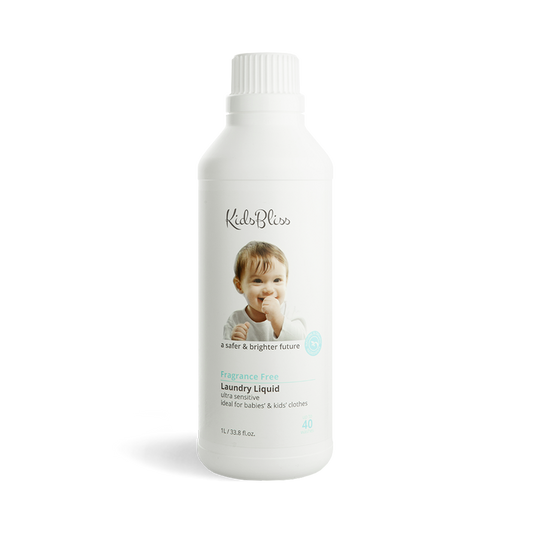
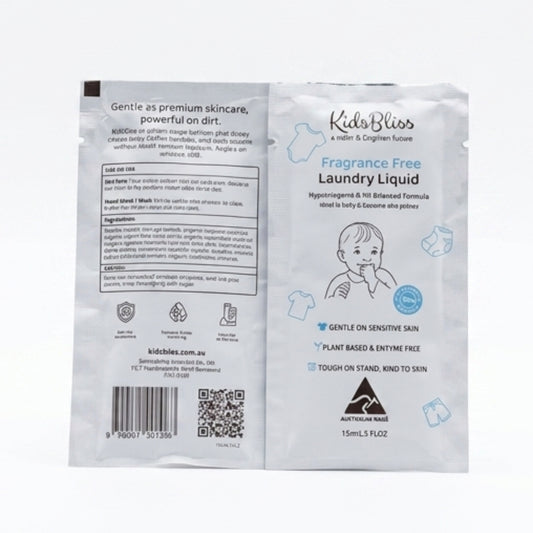
Grab our 500ml fragrance-free trial size for just $10. It is strictly calibrated to pH 4.8 to protect your baby's acid mantle, uses plant-based surfactants that rinse 100% clean, and is completely free of harsh, skin-digesting enzymes.
Claim Your $10 TrialFormulation Science: Evaluating Biological Fabric Skincare
To genuinely protect an infant from the compounding threats of structural immaturity, severe autumn-winter desiccation, and continuous chemical irritation, parents must implement a holistic barrier protection strategy. This strategy cannot end with post-bath lotions; it must extend fundamentally to textile processing. This necessitates the utilization of "Fabric Skincare"—laundry formulations that are scientifically engineered from the ground up to align perfectly with the precise biophysical parameters of the human epidermis.
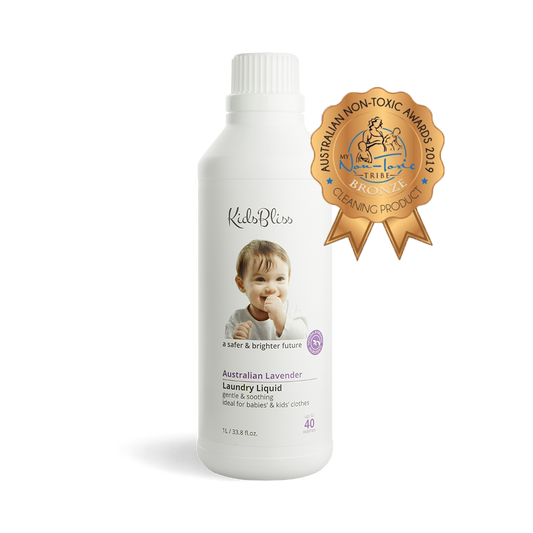
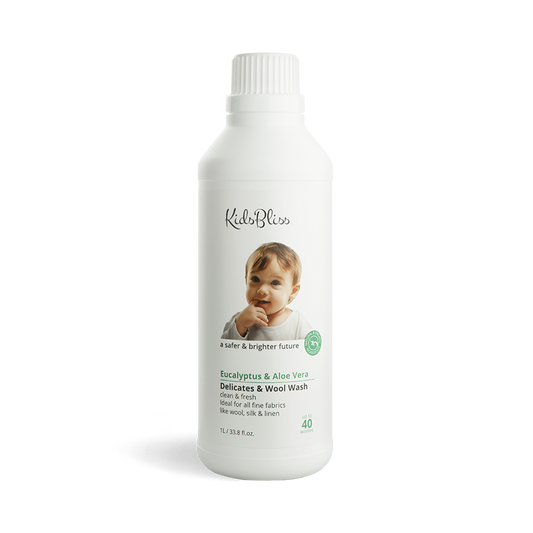
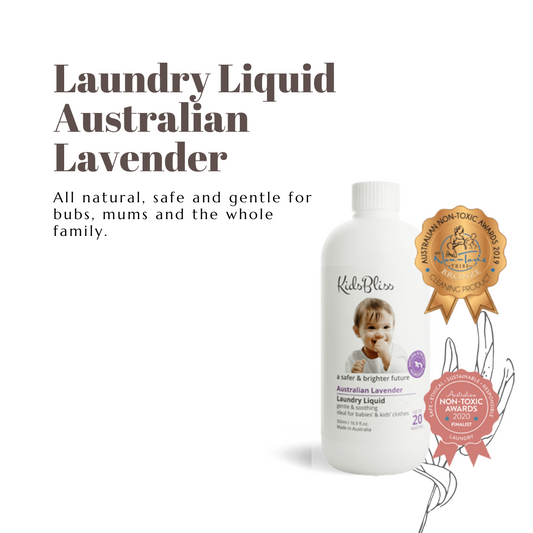
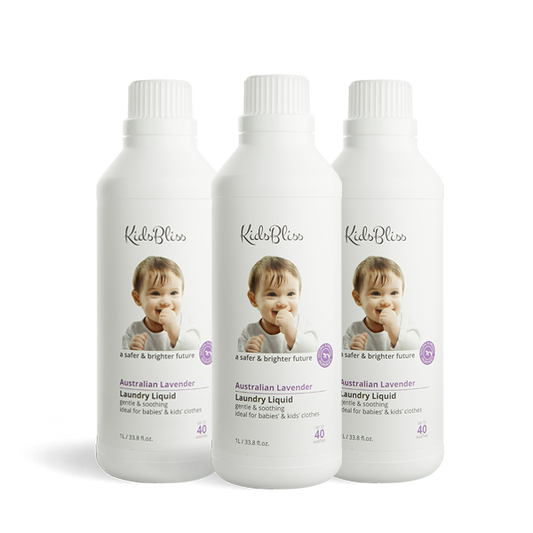
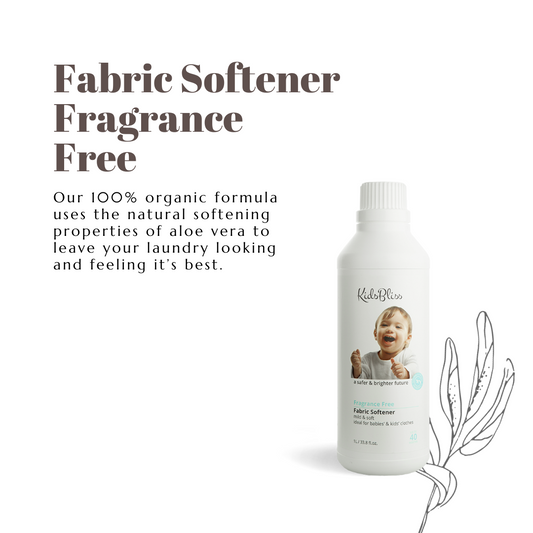
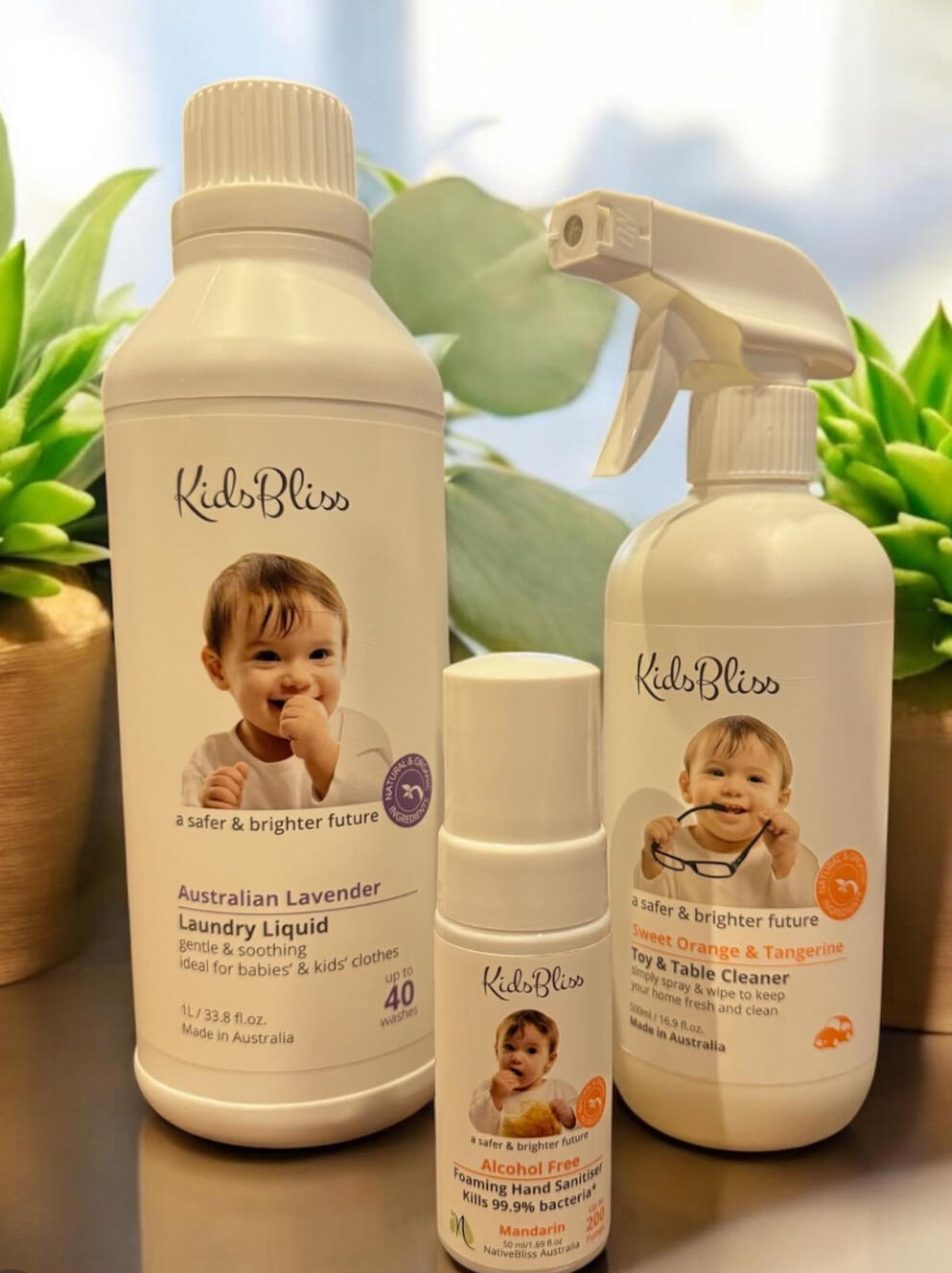
In the Australian market, the KidsBliss laundry bundle represents the clinical archetype of this biological approach. Rather than relying on the traditional industrial paradigm of high alkalinity, petrochemical surfactants, and aggressive enzymatic digestion to achieve textile cleanliness, the KidsBliss formulation is architected specifically to respect the dermatological baseline of the newborn.
1. Strict pH 4.8 Calibration
The most critical engineering distinction of the KidsBliss formula is its strict, non-negotiable calibration to a mildly acidic pH of 4.8.4 This precise metric perfectly mirrors the natural physiological baseline established by Lambers and leading dermatological research.2 By utilizing a fabric cleanser operating exactly at pH 4.8, the inevitable micro-residues that remain embedded in the textile fibers are entirely biologically harmonious with the infant's skin.4
When the infant sweats and the residue transfers to the body, it does not neutralize the acid mantle. Instead, it actively supports the acidic microclimate necessary to maintain dermcidin efficacy, suppress pathogenic S. aureus, allow ceramide synthesis to continue uninterrupted, and keep the destructive Kallikrein proteases safely in their dormant state.3 This proactive acidification prevents the stratum corneum from ever entering the vicious cycle of inflammation and desquamation.45
2. Total Enzyme Eradication
Understanding the catastrophic physiological consequences of protease exposure on delicate keratin structures and the systemic risks of EoE, the KidsBliss formulation operates on a strict, 100% enzyme-free protocol.4 By eliminating biological proteases, amylases, and lipases entirely from the formula, the risk of "enzyme burn," protease-induced contact dermatitis, and immune dysregulation is completely neutralized.4 The product relies on advanced, non-destructive cleaning mechanisms to liberate soils from the fabric weave without resorting to microbial proteins that indiscriminately attack human tissue.
3. Plant-Based, Saponified Surfactant Profiles
Mass-market detergents frequently utilize linear alkylbenzene sulfonates (LAS) or sodium lauryl sulfate (SLS), which are notorious for intercalating deeply into the skin's lipid bilayer, causing protein swelling, and extracting vital structural fats.34 In stark contrast, KidsBliss employs a matrix of extremely gentle, plant-derived skincare glucosides and natural saponified oils.45
The ingredient profile heavily features organic soapwort extract—a historical botanical saponin renowned for its gentle, natural surfactant properties—alongside organic saponified coconut oil and organic saponified olive oil.46 These highly biocompatible surfactants effectively reduce the surface tension of water to lift stains from textiles but fundamentally lack the harsh, stripping ionic charge required to penetrate and shatter the infant's stratum corneum lipids.46 Furthermore, the inclusion of organic seaweed extract, witch hazel extract, and horsetail extract ensures that the formulation remains entirely free from harsh synthetic petrochemicals, prioritizing skin-soothing botanicals.46
4. Zero Harsh Residue and Independent Clinical Validation
The combination of a pH 4.8 baseline, plant-based non-ionic surfactants, and a completely enzyme-free framework results in a highly effective "Zero Harsh Residue Protocol".45 The formulation rinses exceptionally clean, leaving the garments tactilely soft and entirely devoid of the sticky, alkaline chemical films characteristic of mass-market powders and liquids.45
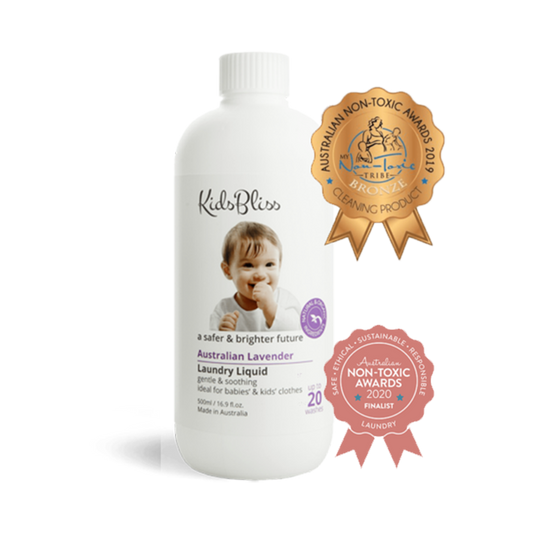
The validity of this biological approach is corroborated by stringent independent certifications and peer reviews. KidsBliss is an Australian Made and Owned entity, utilizing ACO (Australian Certified Organic) ingredients across its ranges, ensuring purity from pesticides and heavy metals.49 Most notably, the laundry line is formally evaluated and approved by the National Asthma Council Australia’s highly respected Sensitive Choice® program.50 This rigorous independent vetting confirms its safety profile and efficacy for infants suffering from extreme respiratory sensitivities, asthma, and severe atopic dermatitis, ensuring it is a trusted tool for parental nesting and long-term care.48
|
Evaluation Metric |
Mass-Market "Sensitive" Benchmark |
KidsBliss Biological Fabric Skincare |
|
Skin Homeostasis |
Disrupts natural pH; delays barrier recovery; exacerbates TEWL. |
Matches physiological pH 4.8 precisely; actively supports and repairs acid mantle. |
|
Allergen & Toxin Profile |
Frequently contains active proteases; relies on synthetic petrochemical surfactants. |
100% Enzyme-Free; utilizes Organic Soapwort, Saponified Olive & Coconut Oils. |
|
Residue Chemistry |
High alkalinity; creates localized chemical "enzyme burns" upon sweat contact. |
Acidic/Neutral botanical residue; entirely biocompatible with human keratin. |
|
Independent Validation |
Varies widely; heavily relies on self-regulated, internal "dermatologically tested" claims. |
Sensitive Choice® Approved (National Asthma Council); ACO Certified Organic components. |
Conclusion
The dermatological vulnerability of a newborn is an immutable biological reality. Characterized by a highly permeable, structurally immature stratum corneum that is functionally up to one-third the thickness of an adult's, infant skin requires meticulous, scientifically validated interventions to survive the harsh transition to the external terrestrial environment. This requirement becomes critically acute during the onset of the Australian autumn and winter transitions. Drastic reductions in atmospheric humidity, combined with continuous, inescapable exposure to aggressively dehydrating artificial heating systems, exponentially accelerate transepidermal water loss and precipitate severe atopic flare-ups.
At the absolute epicenter of infant barrier protection is the acid mantle. Exhaustive biophysical research has categorically established that a surface pH of 4.8 is not merely a cosmetic preference or a marketing term, but a vital, non-negotiable biological requirement. This specific acidic microclimate is the singular mechanism that allows the skin to synthesize structural ceramides to retain moisture, activate vital antimicrobial peptides like dermcidin to ward off dangerous staphylococcal infections, and suppress the destructive Kallikrein proteases from prematurely digesting the epidermal architecture.
While significant parental effort and financial investment are directed toward applying pH-balanced topical lotions and barrier creams, these efforts are rendered entirely futile if the infant is continuously enveloped in textiles saturated with alkaline, enzyme-laden residues left behind by mass-market laundry detergents. The physics of the textile-skin interface dictate that fabric care and skincare are functionally identical. Standard detergents, even those marketed as "sensitive," formulated at pH 7.0 to 11.0 systematically neutralize the acid mantle and deposit keratin-destroying proteases directly onto the skin, creating a chronic state of invisible chemical friction and immune dysregulation.
True pediatric skincare must initiate in the laundry drum. By transitioning to a scientifically engineered, biologically compatible fabric cleanser such as KidsBliss—which strictly calibrates to the physiological pH of 4.8, entirely eliminates harmful catalytic enzymes, and utilizes organic, plant-based saponified surfactants—caregivers can effectively transform an infant's clothing from a vehicle of continuous chemical stress into a 24-hour therapeutic shield. In doing so, they secure the integrity of the acid mantle, mitigate the severe environmental stressors of the winter months, and lay the definitive, scientifically sound groundwork for a lifetime of dermatological health.
Ready to protect your baby's Biological Shield?
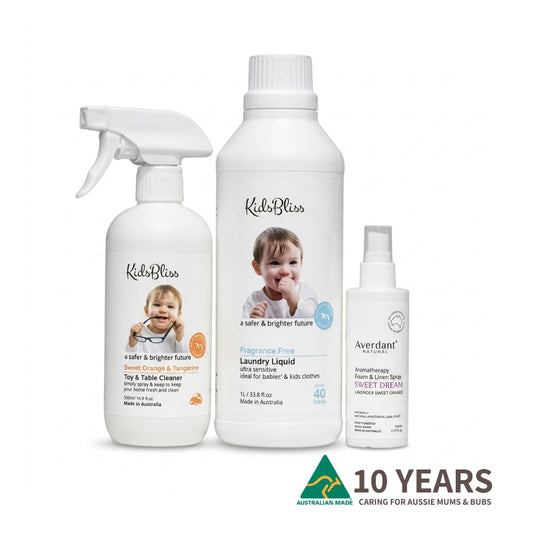
Skincare starts in the laundry. Make the complete switch with the KidsBliss Laundry Bundle. Featuring our 1L Fragrance-Free Laundry Liquid (up to 40 washes), it is proudly Australian Made, formulated with ACO Certified Organic ingredients, and rigorously approved by the National Asthma Council's Sensitive Choice® program.
Shop the Laundry Bundle Now