
🎧 Busy Parent? Listen to the Quick Summary (5 mins)
Comprehensive Dermal Protection Strategies for the Eczema-Prone Neonatal Environment: A Scientific Framework for the Eczema-Safe Nursery
The establishment of a neonatal nursery environment specifically engineered for infants with atopic dermatitis requires an intersectional approach that synthesizes textile engineering, pediatric dermatology, and surfactant chemistry. The infant skin barrier is a highly dynamic organ, characterized by a thickness that is approximately one-third that of adult skin.1 This physiological vulnerability renders the neonate exceptionally susceptible to environmental triggers, transepidermal water loss (TEWL), and chemical irritants that would otherwise be inert to an adult population.1 When a parent navigates the "nesting" phase, a validated biological phenomenon characterized by a drive to isolate, secure, and sanitize the birthing location, the resulting environmental choices have long-term implications for the child's dermal health.4 A truly eczema-safe nursery is not merely a collection of soft fabrics; it is a controlled micro-environment where every layer—from the base garment to the laundry detergent used to clean it—works in synergy to preserve the delicate acid mantle and prevent the devastating itch-scratch-infection cycle.1
The Physiological Imperative: Understanding the Neonatal Skin Barrier in Flux
To appreciate the necessity of specialized nursery essentials, one must first analyze the unique properties of infant skin compared to the mature dermal barrier. At birth, the skin surface pH is near neutral or slightly alkaline, typically ranging from 6.7 to 7.4.1 A critical physiological transition occurs during the neonatal period: the gradual acidification of the skin to form the "acid mantle," reaching a stable range of 4.5 to 5.5.1 This acidic environment is not incidental; it is a biological requirement for the activation of lipid-processing enzymes, such as beta-glucocerebrosidase, which are responsible for synthesizing the ceramides that act as the "mortar" in the skin's brick-and-mortar structure.1
Furthermore, the low pH environment serves as a primary defense against pathogenic colonization. An acidic surface deactivates serine proteases that would otherwise degrade the protein structures of the skin and inhibits the growth of Staphylococcus aureus, a bacterium found in high concentrations in nearly all eczema flare-ups.1 When this barrier is compromised by harsh textiles or alkaline residues, the skin enters a state of "flux," characterized by increased TEWL and enhanced penetration of allergens.1
|
Feature |
Infant Skin |
Adult Skin |
Clinical Implication for Eczema |
|
Epidermal Thickness |
~1/3 of adult thickness |
Full thickness |
Higher permeability to irritants and toxins.1 |
|
Surface pH Level |
6.7–7.4 (at birth) to 5.5 |
4.5–5.5 (Stable) |
Vulnerable to alkaline disruption.1 |
|
TEWL Rate |
High and variable |
Low and stable |
Rapid desiccation and scaling.1 |
|
NMF Concentration |
Significantly lower |
Higher |
Reduced ability to retain moisture naturally.1 |
|
Barrier Maturation |
Ongoing (first year) |
Mature |
Dynamic process susceptible to environment.1 |
The biological basis for nesting—driven by a neurochemical cocktail of oxytocin, prolactin, and adrenaline—highlights the importance of space preparation.4 In ancestral environments, the immediate surroundings determined infant mortality rates, and natural selection favored mothers who experienced a distinct drive to sanitize their environments.4 Today, this instinct must be channeled into the selection of materials that respect the "functional immaturity" of the infant barrier.1
Spot #1: The Eczema-Safe Base Layer and the Physics of Bamboo Sleepwear
The selection of a base layer represents the most critical textile decision for an eczema-prone infant. This material maintains constant, direct contact with the skin's surface for up to 20 hours a day, effectively acting as a secondary skin.10 For this reason, the "first touch" must be engineered to minimize friction and manage the microclimate between the fabric and the dermis.10 Australian brands like ergoPouch have pioneered the use of bamboo viscose and organic cotton blends to address these specific needs.13
Molecular Mechanics of Bamboo Viscose vs. Conventional Cotton
While 100% cotton is a traditional recommendation, recent advances in textile science suggest that bamboo viscose offers superior benefits for active eczema management.10 Under microscopic examination, cotton fibers possess a naturally irregular, twisted structure with micro-spurs that can create mechanical friction and micro-abrasion against inflamed skin.10 In contrast, bamboo viscose fibers are characterized by a naturally rounded, smooth cross-section with no surface spurs.12 This results in a significantly lower friction coefficient, allowing the fabric to glide over compromised skin rather than "catching" on dry scales or open lesions.12
The physics of moisture management further distinguishes bamboo from its cotton counterparts. Bamboo's hollow fiber structure creates a natural capillary action, pulling moisture away from the skin and spreading it across the fabric surface for faster evaporation.10 This is quantified by the moisture regain rate: bamboo has a rate of approximately 12–13%, compared to cotton's 6–9%.10
|
Property |
Bamboo Viscose |
Organic Cotton |
Benefit for Eczema Management |
|
Fiber Morphology |
Round, smooth, spur-free |
Irregular, twisted, micro-spurs |
Minimal mechanical irritation.10 |
|
Moisture Regain |
12.0% – 13.0% |
6.0% – 9.0% |
Superior sweat management and dry-feel.10 |
|
Air Permeability |
~20% higher than cotton |
Standard |
Prevents heat-triggered flares.10 |
|
Thermal Feel |
2–3°C cooler than cotton |
Neutral |
Reduces nighttime itching intensity.10 |
|
Natural Antimicrobial |
Bamboo Kun agent |
None (unless treated) |
Supports healing of colonized skin.10 |
Thermoregulation as a Clinical Intervention
Overheating is arguably the primary clothing-related trigger for infant eczema flare-ups.10 During deep sleep, an infant’s body temperature naturally rises; in a synthetic or heavy conventional cotton garment, this heat is trapped, leading to sweat production.10 Sweat contains urea, salts, and proteins that act as potent irritants when trapped against the skin, triggering the release of histamines and the subsequent urge to scratch.3 Bamboo’s adaptive thermoregulation helps maintain a stable temperature, keeping the baby cooler in summer and providing gentle insulation in winter.10 By reducing nighttime itching, brands like ergoPouch directly contribute to more peaceful sleep cycles for both the infant and the parents.13
Spot #2: Tribology and the Friction-Free Sleep Surface of Mulberry Silk
The sleep surface represents a secondary but equally vital layer of dermal protection. During sleep, infants frequently move their heads and limbs in response to sleep cycles or itching sensations, creating constant friction against the cot sheet. For a baby with facial eczema, even a high-quality cotton sheet can act like a mild abrasive, exacerbating the "bed-head" and skin irritation common in the neonatal period.3
The Science of 100% Mulberry Silk Bedding
Mulberry silk, as utilized by Silky Tots, is a protein-based fiber that closely mimics the amino acid composition of human skin.11 This biocompatibility reduces the likelihood of contact dermatitis. However, the primary benefit of silk for eczema is its exceptionally low friction coefficient, which allows delicate skin to glide rather than tug.21
Cotton is inherently absorbent, which is often cited as a benefit; however, in the context of cot sheets, this absorbency can be detrimental. Cotton sheets can "wick" the natural oils and applied emollients directly off the infant’s skin, leaving the barrier parched by morning.22 Silk, being less absorbent than cotton, allows the skin’s natural oils and heavy moisturizers to remain on the dermal surface, supporting the "3-minute rule" of moisture retention.6
Hygiene, Dust Mites, and Oeko-Tex Standard 100
Silk is naturally uninhabitable by dust mites, which are one of the most common environmental triggers for atopic dermatitis and asthma.18 Furthermore, Silky Tots products are certified under Oeko-Tex Standard 100, ensuring that every thread, button, and fiber has been tested for over 1,000 harmful substances.21 This certification is particularly important for sleep surfaces, as the infant's face is in close proximity to the material for extended periods, making inhalation and dermal absorption of chemical residues—such as formaldehyde or pesticides—a significant risk.21
|
Feature |
100% Mulberry Silk |
Conventional Cotton Sheet |
Impact on Sensitive Skin |
|
Surface Friction |
Near-zero glide |
Moderate to high friction |
Reduces micro-abrasions and hair loss.21 |
|
Hydration Support |
Maintains natural skin oils |
Absorbs skin moisture/creams |
Essential for preventing dry morning flares.22 |
|
Allergen Resistance |
Natural dust mite repellent |
Harbor for dust mites |
Reduces immune triggers at night.18 |
|
Breathability |
High (Lab-tested) |
Moderate |
Prevents localized overheating.21 |
|
Certification |
Oeko-Tex Standard 100 |
Often none |
Guarantees non-toxicity for newborns.21 |
Spot #3: The Heirloom Outer-Layer and the Dangers of the Prickle Factor
The third spot in the eczema-safe nursery is occupied by the outer-layer, such as the Cosy Cub Dreamscape Blanket. The choice of an outer-layer involves balancing the need for warmth with the absolute necessity of avoiding "prickle" triggers that can pierce the already compromised skin barrier.18
The Danger of Synthetic and Coarse Natural Fibers
Traditional "warm" materials like wool and synthetic fleece are contraindicated for eczema-prone infants.17 Coarse wool fibers possess thick, rough structures that irritate sensitive nerve endings in the skin, triggering a flare-up even if the wool is not in direct contact with the skin, as the fibers can migrate through underlying layers.19
Synthetic fabrics, such as polyester fleece, create a "plastic wrap" effect, trapping heat and moisture against the body.24 This leads to rapid overheating, which is both a risk factor for SIDS and a major eczema trigger.15 The buildup of sweat under non-breathable synthetics leads to spongiosis—acute epidermal edema—and the characteristic oozing seen in 28% of dermatitis cases.1
The Cosy Cub Solution: 100% Cotton Knits and Ethical Production
The Cosy Cub "Dreamscape" approach utilizes 100% cotton in a breathable knit, designed in Adelaide, Australia.26 Cotton provides what is known as "breathable insulation".11 Unlike wool, cotton lacks the "prickle factor" and can be washed at higher temperatures to remove allergens without the fiber degrading into a scratchy texture.24 The use of ethical manufacturing and high-quality construction ensures that these blankets serve as "heirloom" items that do not compromise skin health for aesthetic appeal.26
Spot #4: The "Cuddle Layer" and the Perioral Impact of Maternal Clothing
Infants spend a significant portion of their first 100 days pressed against their mother's chest. With 8–12 feeds per day lasting anywhere from 15 to 45 minutes each, maternal textiles serve as a primary contact surface for the baby's face—the area most prone to infantile atopic dermatitis.
The Invisible Transfer: Fragrances and Surfactants
Eczema management often fails when parents overlook the "Cuddle Layer." If a mother wears a scratchy wool sweater or synthetic loungewear laundered in standard detergents, her clothing becomes a reservoir for triggers. Standard laundry detergents contain 2–3% fragrance loads consisting of small, volatile molecules (haptens) that can penetrate the infant’s thin skin barrier upon contact.1 These molecules can bind to skin proteins and become immunogenic, triggering a full-blown inflammatory response in sensitized infants.1
Furthermore, residual surfactants trapped in the mother’s clothing fibers can be "re-activated" by the infant’s sweat or saliva during a cuddle.1 These molecules then attach to the lipids of the infant's skin, effectively "cleaning" the skin of its essential fats and causing the scaling and erythema characteristic of textile-induced dermatitis.1
Australian Solutions: Bae The Label and Legoe Heritage
Transitioning to a nursery essential like an organic cotton nursing robe or bamboo lounge set from Aussie brands such as Bae The Label or Legoe Heritage is a clinical necessity for protecting the baby's face. Bae The Label utilizes exclusively developed super-stretch jersey blends (typically 90% cotton or cotton/modal), which are selected for their soft hand-feel and high breathability. Legoe Heritage similarly offers premium organic cotton and linen-knit sets that avoid the "prickle factor" of coarse-fibered wool.
By wearing these "pure" base layers, the mother ensures that the high-contact "Cuddle Layer" acts as a protective barrier rather than an irritant source. This is particularly vital for babies who already show signs of facial eczema, as they tend to rub their cheeks against surfaces—including their mother’s chest—to relieve itching, a behavior that only worsens skin breakdown if the fabric is rough or chemically laden.
|
Contact Source |
Standard Maternal Clothing |
Eczema-Safe Loungewear |
|
Fabric Type |
Wool, Synthetic Fleece, Polyester |
Organic Cotton, Bamboo, Modal |
|
Irritant Risk |
High (Prickle factor, heat trap) |
Low (Hypoallergenic, breathable) |
|
Chemical Load |
Heavy fragrances, optical brighteners |
Toxin-free, GOTS-certified |
|
Micro-Abrasions |
Mechanical friction on baby's cheeks |
Round-fiber "glide" texture |
Spot #5: The Ultimate Defense System and the Chemistry of Fabric Skincare
The final and most critical component of the eczema-safe nursery is the maintenance of the environment. A parent can invest in the world’s finest bamboo and silk, but if those fabrics—including the mother's own loungewear—are laundered in standard alkaline detergents, the "investment" is converted into a potential irritant that will continue to trigger the infant's immune response.1
The Invisible Threat: Detergent pH and Residual Surfactants
Most mass-market laundry detergents operate at a pH between 9 and 12 to optimize the removal of oily stains.1 This high alkalinity is designed for adult clothing but is catastrophic for the infant skin barrier. Residual alkalinity embedded in clothing fibers can neutralize the infant’s developing acid mantle upon contact, disrupting the biological processes required for barrier repair.1
Research indicates that 44% of parents who switch to specialized, residue-free baby detergents observe fewer instances of rashes or redness within one month.1 When the skin pH is forced into an alkaline state, serine proteases are activated, leading to the degradation of keratinocytes and the "scaling" seen in 28% of dermatitis cases.1
The Protease Problem and Arrhenius Kinetic Degradation
Standard "biological" detergents use enzymes, specifically proteases, to break down protein-based stains.20 However, human skin is largely composed of proteins. If residual proteases remain on clothing, they can attack the skin's own proteins, leading to a condition resembling a chemical burn, often called an "enzyme burn".1
Furthermore, these enzymes and alkaline conditions actively degrade the very fabrics parents buy to protect their babies. Bamboo viscose degradation follows predictable kinetic pathways governed by Arrhenius activation energy models:
Rate of Degradation=Ae-Ea/RT
At a pH above 8.2, alkaline hydrolysis degrades bamboo fibers 8.4 times faster than at pH 7.0.16 Standard detergents (pH 9.5–10.5) cause the smooth surface of bamboo to rupture, creating fibrillation and lint that transform a silky garment into a scratchy irritant.16
The KidsBliss Solution: pH 4.8 and the Wash & Wear Protocol
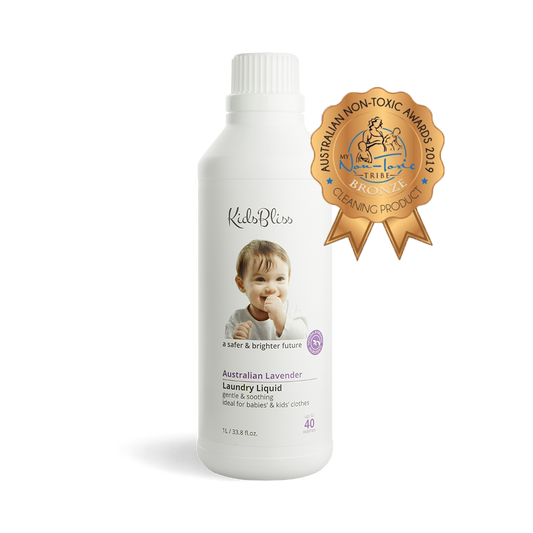
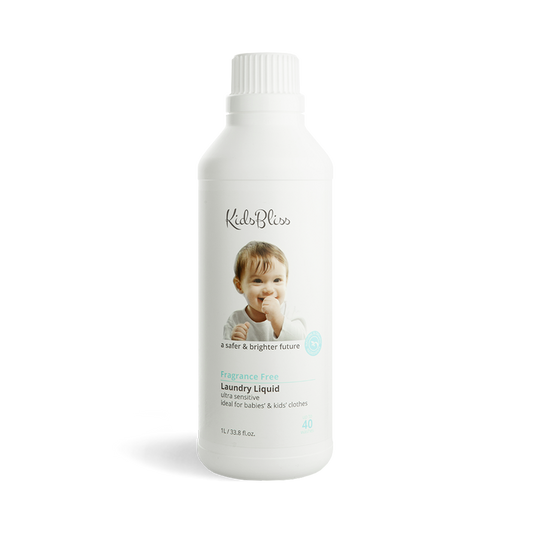
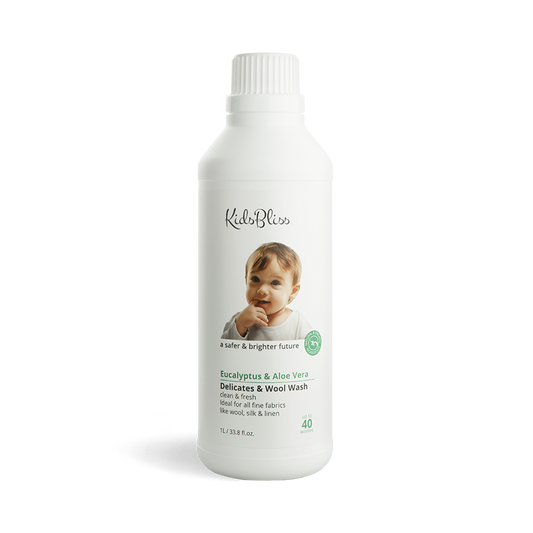
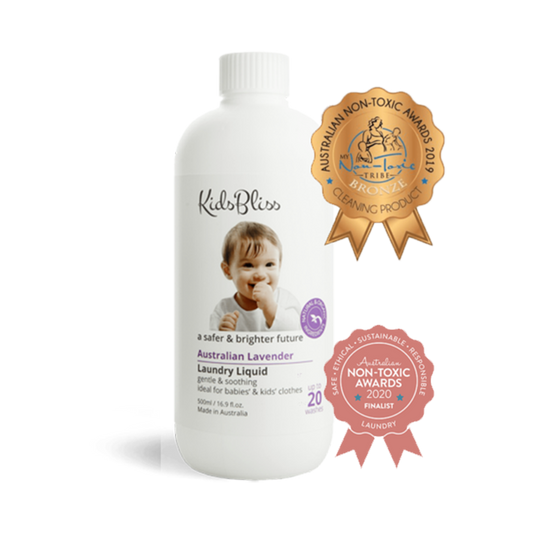
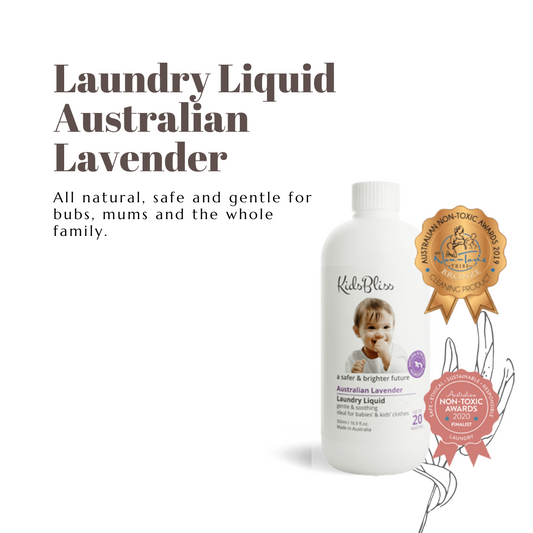
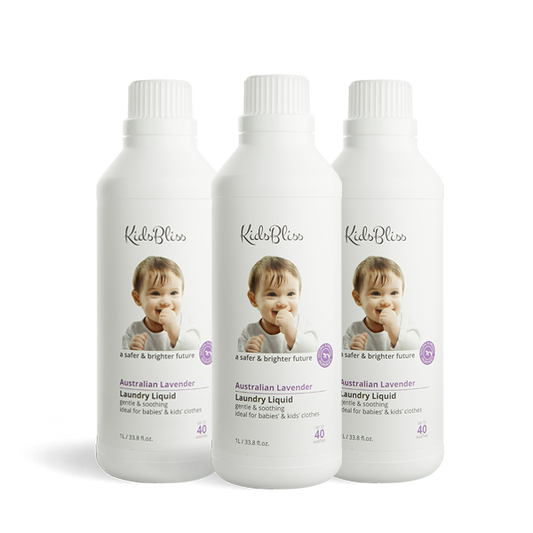
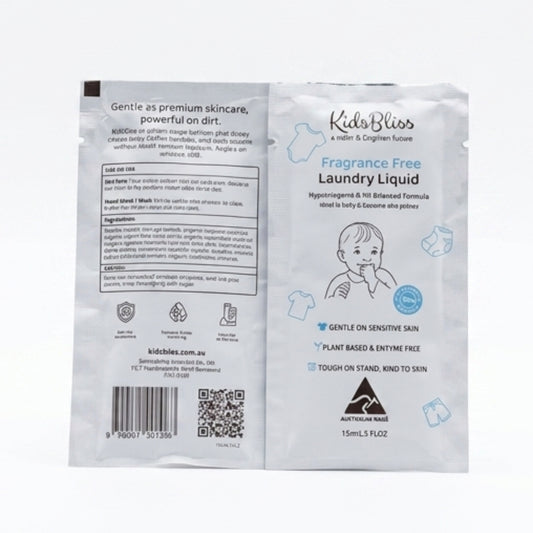
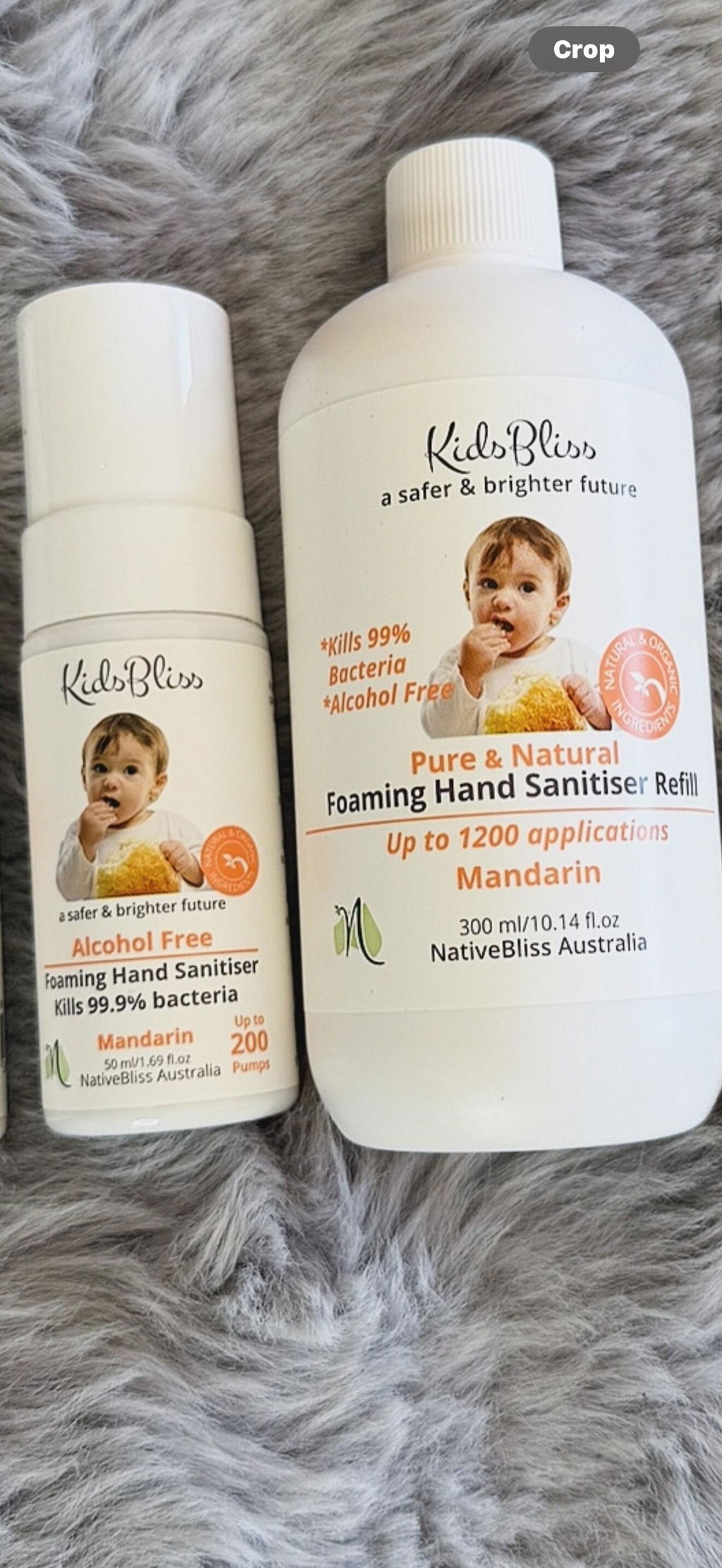
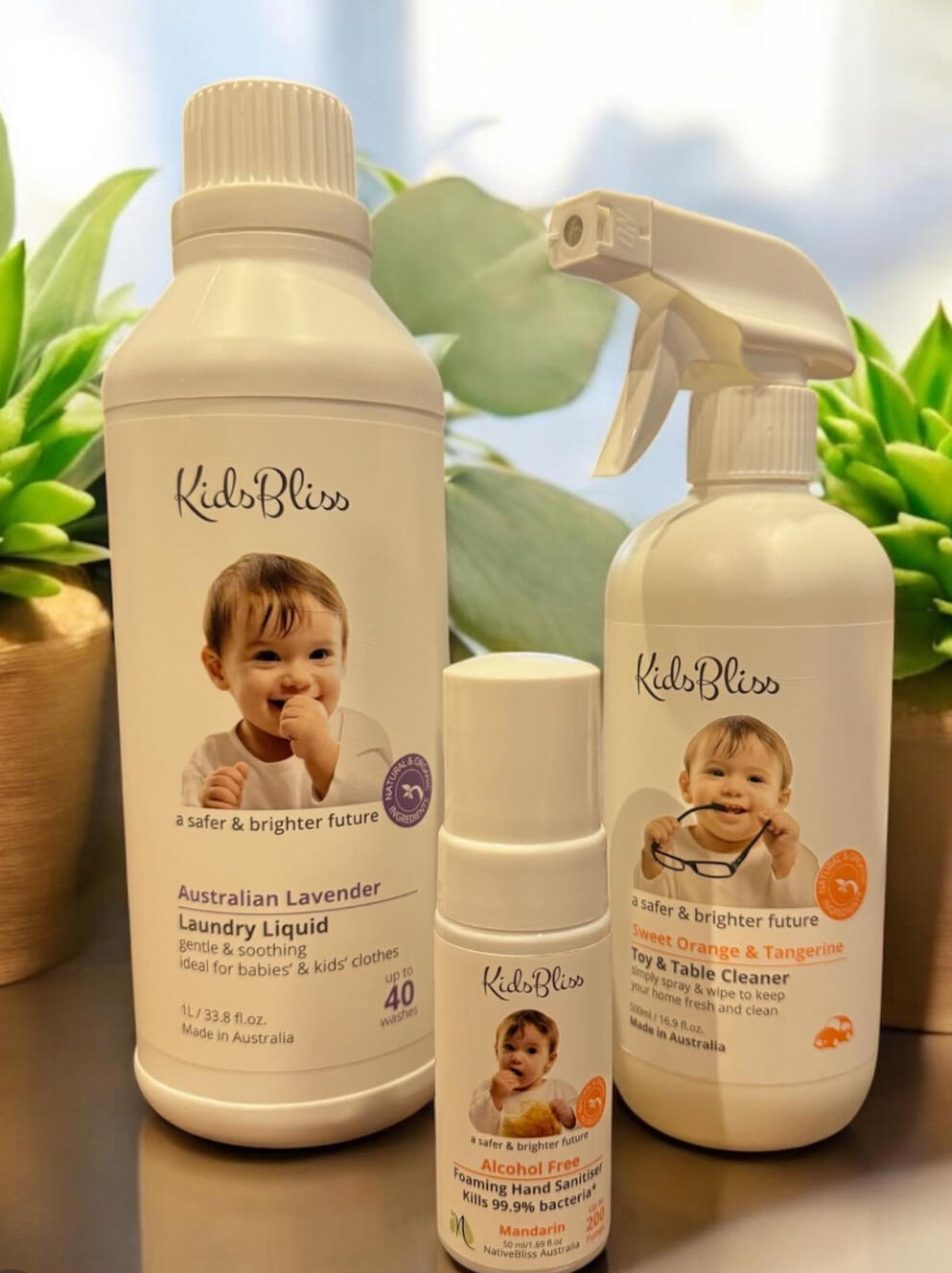
The KidsBliss Wash & Wear System is engineered to solve this chemical conflict. The Fragrance-Free Laundry Liquid is formulated to maintain a "sweet spot" pH of approximately 4.8, aligning with the stable human acid mantle.1 By maintaining an acidic environment during the wash, the detergent prevents fiber degradation and ensures that no alkaline residues remain to disrupt the baby’s skin chemistry.1
The system emphasizes the holistic care of "Fabric Skincare":
-
Laundry: Cleansing with a pH 4.8 liquid to preserve the fabric and the skin barrier.1
-
Bathing: Using the Purity 2-in-1 Bath to avoid stripping the skin's natural moisturizing factor (NMF).1
-
Moisturizing: Applying the olive oil-based moisturizer within three minutes of bathing to lock in hydration.6
|
Product |
Role in the System |
Key Benefit for Eczema |
|
Fragrance-Free Laundry Liquid |
Fiber maintenance and pH balance |
Prevents alkaline hydrolysis of bamboo/silk.1 |
|
Purity 2-in-1 Bath |
Gentle skin cleansing |
pH-balanced (5.5–6.25) to protect acid mantle.2 |
|
KidsBliss Moisturiser |
Barrier repair |
Hydrates without the "stinging" of mineral oils.29 |
|
Fruit & Vegetable Wash |
Bottle/Toy hygiene |
Residue-free cleaning for items that enter the mouth.29 |
Synthesis: The Symbiosis of Fabric and Chemistry in the Nesting Hub
The efficacy of these nursery essentials is not merely additive; it is synergistic. The relationship between fiber physics and detergent chemistry creates a cascading effect on the neonatal skin microbiome and the psychological state of the family unit.
The Textile Microbiome and S. aureus Control
Recent advances in metagenomics have revealed the importance of the "Textile Microbiome"—the community of microorganisms living on clothing.1 In an eczema-prone infant, the skin is often colonized by Staphylococcus aureus, which drives inflammation and barrier breakdown.1 If the laundry routine fails to eradicate these pathogens (due to low-temperature washing or ineffective surfactants) or if the fabric provides an environment for bacterial growth (like polyester), the clothing becomes a reservoir for infection.1
Bamboo viscose, with its natural "bamboo kun" antimicrobial agent, provides a hostile environment for S. aureus.10 When this fabric is laundered with a pH-balanced, residue-free detergent like KidsBliss, the fabric's smooth surface remains intact, providing fewer niches for bacterial colonization and reducing the risk of secondary infections that complicate 16% of eczema cases.1
The Evolution of the Nesting Hub Category
The "Nesting Hub" category serves as a critical resource for parents, particularly during the third trimester when the biological drive to prepare is at its peak.4 By collaborating with complementary brands like ergoPouch, Silky Tots, Cosy Cub, and Bae The Label, KidsBliss creates a unified front against eczema triggers. This multi-brand approach recognizes that a baby's skin health is dependent on the entire "nesting" ecosystem, not just a single product.1
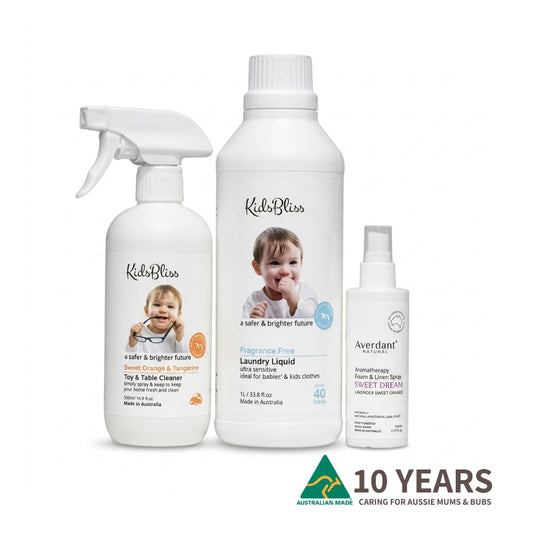
The "Ultimate 3rd Trimester Nesting Bundle" offered by KidsBliss reflects this understanding, providing a total non-toxic nursery prep kit that includes laundry, body care, and surface cleaners.32 This simplifies the decision-making process for expectant mothers, who may be overwhelmed by the "neurochemical cocktail" of the third trimester and the fear of an impending eczema diagnosis.4
Strategic Conclusions: Orchestrating the Eczema-Safe Nursery
The transition from a standard nursery to an eczema-safe sanctuary requires a shift from superficial softness to scientific purity. The 5 Essentials outlined in this framework represent a complete ecosystem of protection:
-
The Eczema-Safe Base Layer (ergoPouch): Manages thermoregulation and minimizes mechanical friction through the use of smooth-fiber bamboo viscose and organic cotton blends.10
-
The Friction-Free Sleep Surface (Silky Tots): Protects the facial barrier and maintains hydration by providing a non-absorbent, hypoallergenic, Oeko-Tex 100 certified Mulberry silk surface.21
-
The Heirloom Outer-Layer (Cosy Cub): Provides breathable cotton insulation without the "prickle factor" of wool or the "sweat-trap" of synthetic fleece.24
-
The "Cuddle Layer" (Bae The Label / Legoe Heritage): Eliminates the transfer of fragrances and coarse fibers from maternal clothing to the infant's face during high-contact feeding and bonding sessions.
-
The Ultimate Defense System (KidsBliss): Prevents the chemical degradation of both the skin’s acid mantle and the fabric’s integrity by maintaining a strictly controlled pH 4.8 laundry and body care environment.1
By integrating these specific brands and protocols, parents can move beyond the "trial and error" with steroid creams and ointments. They can instead address the environmental roots of the eczema flare-up, creating a space where the infant's skin can finally heal, rest, and mature. The goal of the eczema-safe nursery is to respect the biological reality of the neonatal skin barrier, ensuring that the "nest" is as pure as the new life it protects.1