
Finding a safe, non-irritating sunscreen for your child shouldn’t require a degree in biochemistry. With dozens of options on Australian supermarket shelves, here is a quick 2-minute mobile guide to help you choose wisely.
- Choose Mineral (Zinc) over Chemical: Sits on top of skin like a mirror rather than soaking into delicate bloodstreams.
- Avoid 3 Chemical Filters: Watch out for Octocrylene, Homosalate, and 4-MBC due to hormone disruption and eye-stinging risks.
- Look for SPF 50 & PA++++: Complete broad-spectrum defense against both sunburn (UVB) and deep tissue aging (UVA).
- Skip Aerosol Sprays: High inhalation risk for little lungs and uneven beach coverage.
1. Mineral Shield vs. Chemical Absorbers
Sunscreens fall into two distinct categories:
- Chemical Sunscreens (The Sponge): Rely on synthetic chemical filters that absorb into skin layers to convert UV rays into heat. They frequently cause burning eyes when kids sweat or swim.
- Mineral Sunscreens (The Physical Shield): Use natural 25% Non-Nano Zinc Oxide. Zinc sits safely on top of the skin, reflecting UV rays away instantly. It is naturally soothing (commonly used in diaper rash creams) and 100% tear-free.
2. The Hidden Risks of 3 Common Chemical Filters
Many popular supermarket sunscreens rely on chemical absorbers that pediatric dermatologists increasingly urge parents to avoid on young children:
Absorbs readily through thin infant skin. Over time, Octocrylene degrades into benzophenone—a known metabolic byproduct linked to skin contact allergies and potential cellular disruption.
A widely used chemical filter identified as an endocrine disruptor. Studies show Homosalate can penetrate skin barriers and mimic estrogen in the body.
A bioaccumulative chemical absorber restricted in several regions due to strong hormone-disrupting toxicity concerns in developing children.
3. Decoding the Bottle: SPF 50 vs. PA++++
Did you know SPF only measures protection against sunburn (UVB rays)?
- SPF 50: Protects the outer skin surface from UVB sunburns.
- PA++++: The global gold standard for UVA defense. UVA rays penetrate deep into skin tissue, causing long-term cellular damage. Always ensure your sunscreen carries the highest PA++++ rating.
- AUST L Registration: Verify an Australian Therapeutic Goods Administration listing number (e.g., AUST L 525638) on the front label.
4. Why Avoid Aerosol Sprays on Children?
While aerosol cans seem convenient, health authorities strongly advise against using them on active children:
- Inhalation Risk: Fine chemical mists are easily inhaled directly into developing lungs.
- Wasted Coverage: Up to 50% of aerosol spray blows away in beach winds.
- Diluted Formula: Aerosol cans are filled mostly with alcohol and propellant gases rather than thick protective lotion.
Better Choice: Use a hygienic, sand-proof Airless Pump Bottle that dispenses 100% active mineral lotion easily with one hand.

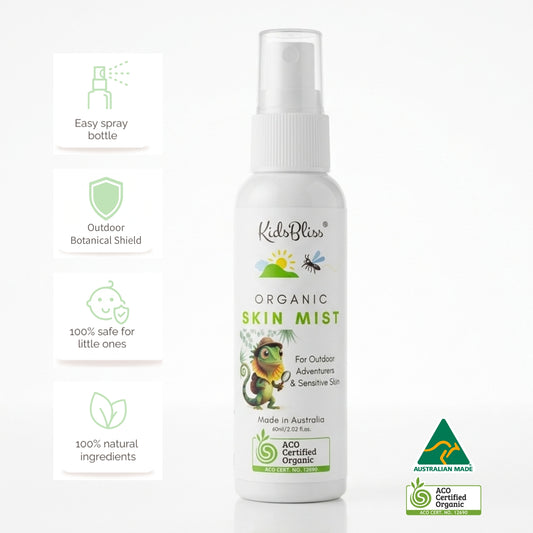
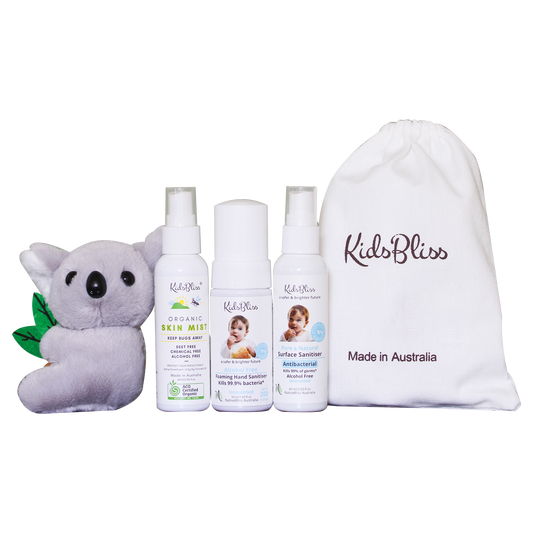
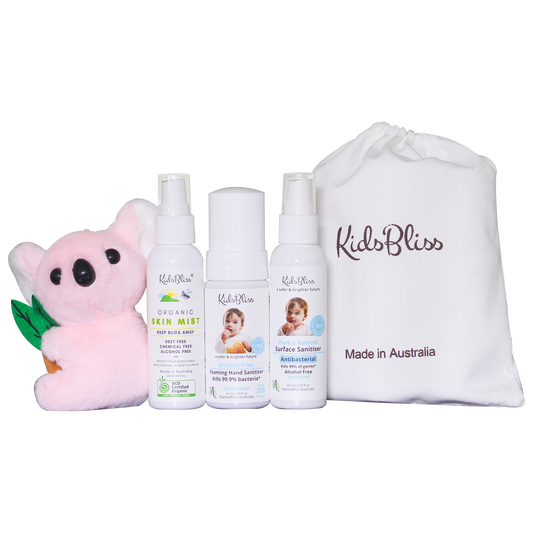
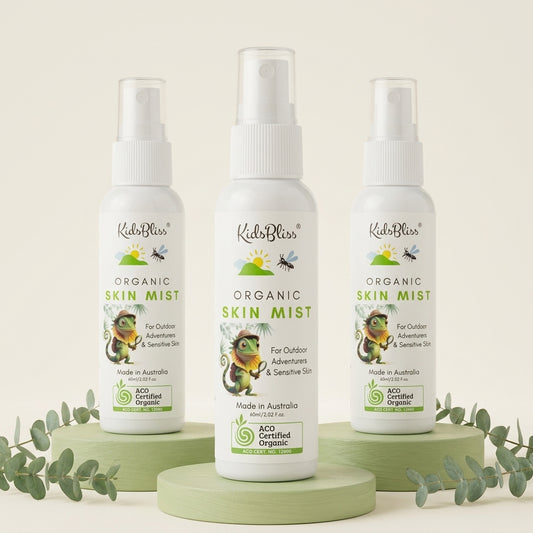
Pre-order the new 100g Airless Pump Sunscreen (SPF 50 PA++++). Buy 3 bottles today and receive a FREE 60ml Outdoor Skin Mist + Free AU Shipping!
Claim Your 20% Off Pre-Order Deal →