
Expert Summary (TL;DR)
Pediatric skin possesses a surface area to body weight ratio approximately 2.3 times greater than an adult. Because an infant's skin is effectively thinner and more permeable, it is highly susceptible to synthetic solvents like DEET. While DEET is an effective repellent, its ability to melt plastic polymers raises critical concerns regarding systemic absorption in infants.
Australian summers are for backyard play and beach days, but they also bring the buzz of mosquitoes and the sting of midges. When you're standing in the pharmacy aisle, the choice usually comes down to two things: the "gold standard" DEET or a natural alternative.
But for a baby, this choice isn't just about stopping a bite—it’s about protecting their developing skin.
The "Shock" Factor: The Solvent Effect
DEET (N,N-Diethyl-meta-toluamide) was originally developed as a synthetic solvent. While it’s famous for jamming a mosquito’s sensory receptors, it has a physical property that most parents don’t realize: It melts plastic.
If you’ve ever seen a repellent melt a plastic watch face, degrade a pair of sunglasses, or ruin the synthetic fabric of a stroller handle, you’ve seen the "Solvent Effect" in action.
Watch high-concentration DEET dissolve synthetic polymers in real-time.
The Kidsbliss Question: If a chemical is strong enough to dissolve synthetic polymers, is it something we should be applying to an infant whose skin is still building its natural lipid barrier?
Why Baby Skin is Different
A newborn’s skin isn’t just smaller; it’s biologically unique. It is functionally immature and possesses distinct absorption characteristics[cite: 2]:
- 30% Thinner: The stratum corneum is significantly thinner than an adult's, making it more permeable.
- Higher Absorption: Because babies have a higher surface-area-to-weight ratio, they absorb a higher relative dose of any topical chemical per kilogram than an adult.
Why Botanical Protection Wins
Systemic Absorption Risk
*Relative absorption through infant skin barrier.
pH Balanced: 4.8 - 5.5 to support the natural acid mantle.
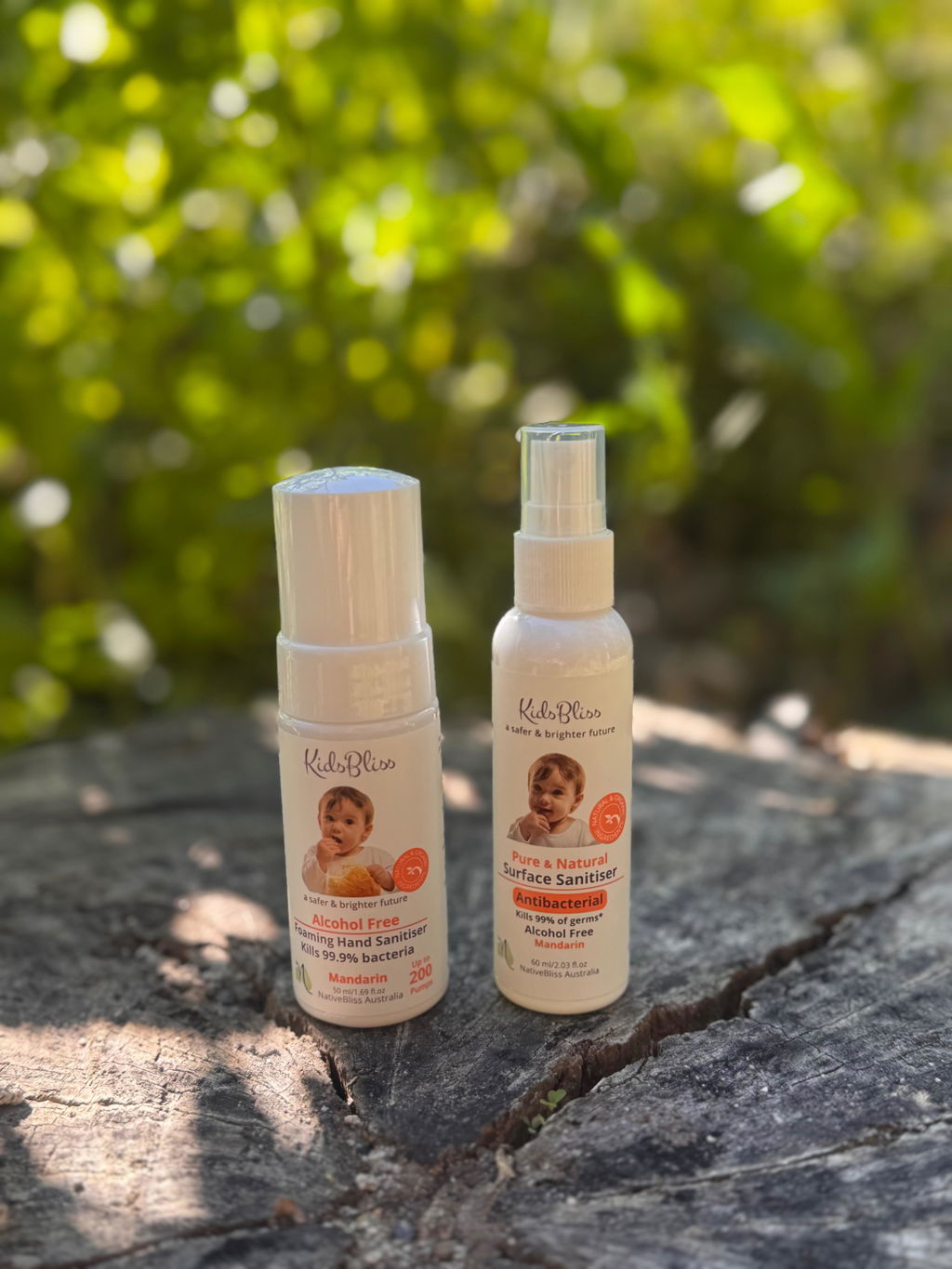
Food Grade: Formulated safe enough for mouth-first explorers.
The Solution: The Botanical Shield
At Kidsbliss, we believe in Green Chemistry. Instead of using harsh synthetic solvents, we leverage the defense systems plants have used for millions of years[cite: 4].
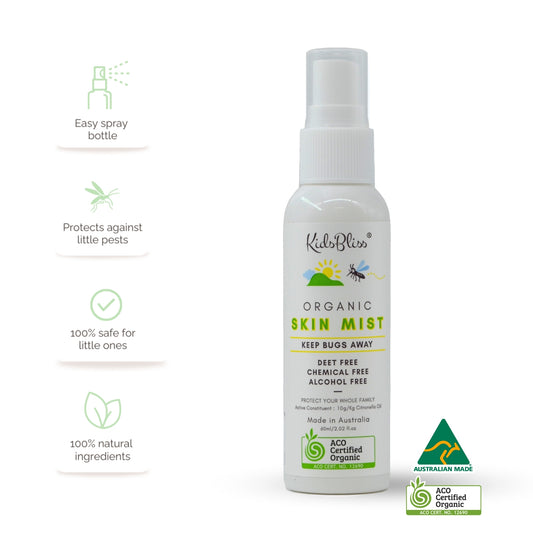
- Scent Masking: Pure Citronella and Lemon Scented Eucalyptus create a "botanical cloud" that disrupts the mosquito's sensory receptors[cite: 4].
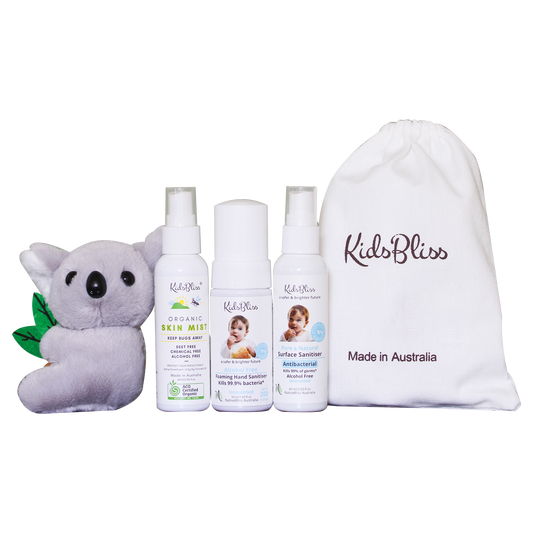
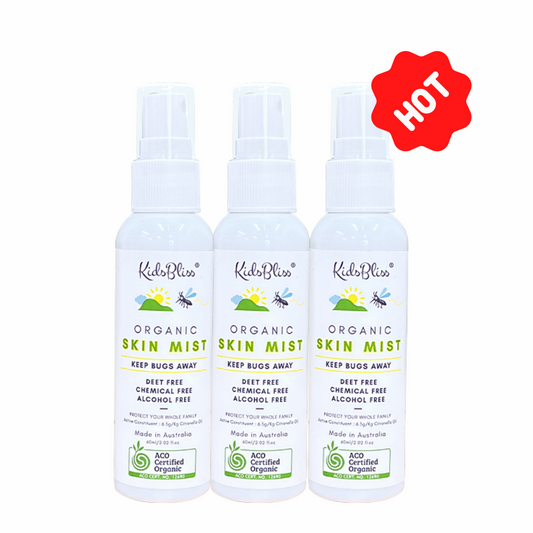
- The Physical Barrier: Our Skin Mist uses an organic oil base. Because midges are so light, they struggle to navigate the viscous oil surface—giving your baby a mechanical shield against the "biting black cloud"[cite: 4].
Get The Non-Toxic Notebooks
Join our community of parents. Get bite-sized research, expert tips, and the 2026 Safety Guide delivered straight to your inbox.
*Includes your 10% OFF welcome reward.
🔬 Want the full clinical data?
Read our detailed scientific report: DEET vs. Natural Repellents: The Clinical Analysis
Clinical References & Data Sources
- [2.1 & 2.2] KidsBliss Clinical Archive: "The Pediatric Integument: A Unique Physiological Landscape." Analysis of infant skin permeability, epidermal thickness (approximating 30% thinner than adult tissue), and elevated surface-area-to-body-weight ratios contributing to heightened systemic absorption of topical agents.
- [3.2] KidsBliss Clinical Archive: "The Solvent Effect: Material Degradation Analysis." Evaluation of N,N-Diethyl-meta-toluamide (DEET) and its physical properties as a synthetic solvent, specifically its documented degradation of synthetic polymers, plastics, and elastomeric fabrics.
- Neonatal Dermatological Standards: Maintenance of the pediatric acid mantle requires formulations strictly balanced between pH 4.8 and 5.5 to prevent barrier disruption and opportunistic bacterial colonization.
- Formulation Safety: "Food Grade" designation refers to the utilization of non-toxic, bio-compatible ingredients safe for incidental ingestion, critical for infants exhibiting "mouth-first" exploratory behaviors.
*Disclaimer: The KidsBliss clinical briefings are provided for educational purposes to empower parents with scientific data. They are not intended to replace professional pediatric medical advice. Always perform a patch test when introducing new topical products to an infant's skin.